Table of Contents
The Democratic Party is gaining significant political momentum in the United States as the 2026 midterm elections deliver important victories for Democratic candidates. With growing voter concerns about inflation, healthcare, government accountability and the cost of living, the party is positioning itself as a stronger challenger to Republican leadership.
The latest election developments could reshape the balance of power in Washington and influence the direction of American politics over the coming years.
What Is the Democratic Party?
The Democratic Party is one of the two major political parties in the United States, alongside the Republican Party. Founded in the early 19th century, it has played a central role in American politics for generations.
The party generally supports policies focused on healthcare access, workers’ rights, social equality, environmental protection, education and economic opportunities.
Its political positions cover a broad range of views, from moderate Democrats to progressive lawmakers, making it one of the most diverse political coalitions in the country.
Democratic Party Gains Momentum in 2026 Midterm Elections
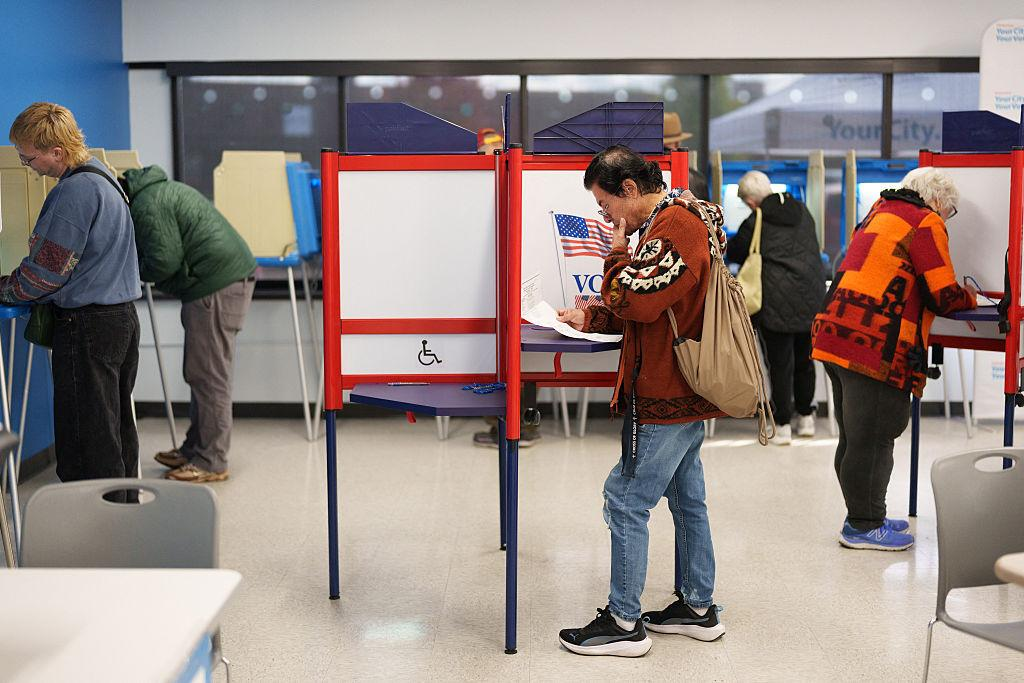
The November 3, 2026, midterm elections have brought encouraging results for Democrats.
Democratic candidates secured important victories in several competitive races. In North Carolina, former Governor Roy Cooper won a closely watched Senate contest against Republican Michael Whatley. Democrat Annie Andrews also secured a major Senate victory in South Carolina, defeating Republican candidate Darline Graham.
Meanwhile, Jon Ossoff retained his Senate seat in Georgia, strengthening the party’s position.
These results represent a significant political challenge for Republicans, although the final balance of power in Congress remains dependent on outstanding results and vote counting.
The elections are particularly important because Democrats need additional seats to regain control of Congress.
What Does the Democratic Party Promise?
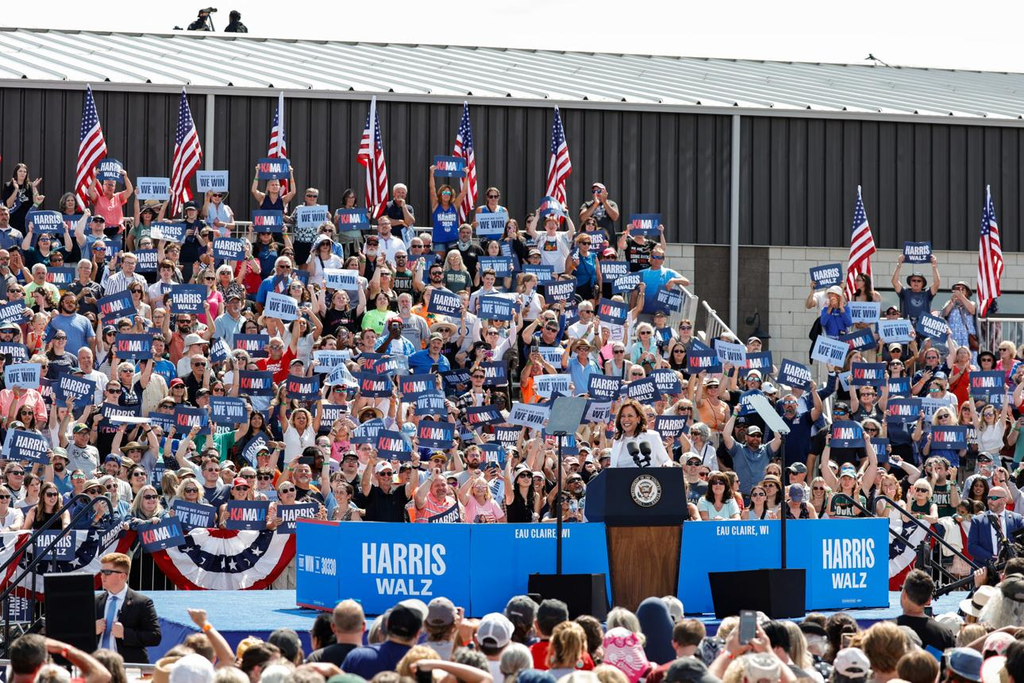
Under its current political leadership, the Democratic Party has placed several major issues at the centre of its agenda.
1. Affordable Healthcare
Democrats want to improve access to affordable healthcare and restore financial assistance for people purchasing health insurance through the Affordable Care Act.
2. Lower Cost of Living
The party is focusing on reducing everyday expenses, including groceries, housing, childcare, electricity and fuel.
3. Economic Opportunities
Supporting working families, improving employment opportunities and addressing economic inequality remain important parts of its political agenda.
4. Government Accountability
Democratic leaders have promised stronger congressional oversight of the Trump administration and investigations into allegations of corruption.
5. Foreign Policy
The party has also raised concerns about America’s involvement in international conflicts and called for greater congressional oversight of military decisions.
Who Leads the Democratic Party?

The Democratic Party has several influential political figures shaping its national direction.
- Ken Martin: Chairman of the Democratic National Committee (DNC), responsible for strengthening the party’s national organisation.
- Hakeem Jeffries: House Democratic leader and a key figure in the party’s congressional strategy.
- Chuck Schumer: Senate Democratic leader and an influential voice in national legislative debates.
- Gavin Newsom: California Governor and a prominent Democratic political figure.
These leaders represent different political priorities and play important roles in shaping the party’s future.
Challenges Facing the Democratic Party
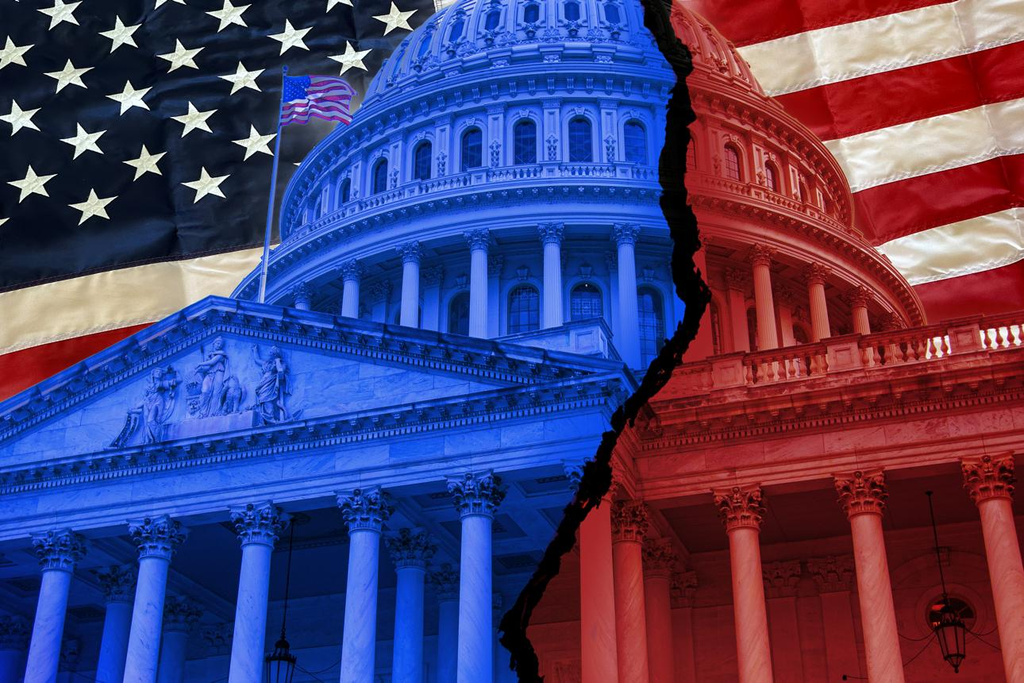
Despite its recent electoral momentum, the Democratic Party faces several challenges.
Political disagreements between moderate and progressive members could make it difficult to maintain unity. The party must also convince voters that its proposed policies can deliver meaningful improvements to everyday life.
Furthermore, winning elections does not automatically guarantee the ability to pass legislation. Control of both congressional chambers, political negotiations and presidential approval can determine how much of its agenda becomes law.
What Happens Next?
The 2026 midterm elections could become a defining moment for the Democratic Party.
If Democrats successfully regain control of Congress, they could gain greater influence over legislation, government investigations and national policy discussions.
The results may also influence the political strategies of both parties ahead of the 2028 presidential election.
For now, the biggest question is whether the Democratic Party can turn its recent electoral momentum into lasting political influence.
Final Thoughts
The Democratic Party is entering an important phase in American politics. Its recent election victories have strengthened its position and created new opportunities to challenge Republican leadership.
However, electoral success is only the beginning. The party’s ability to maintain unity, address economic concerns and deliver on its promises will ultimately determine whether this momentum translates into long-term political success.