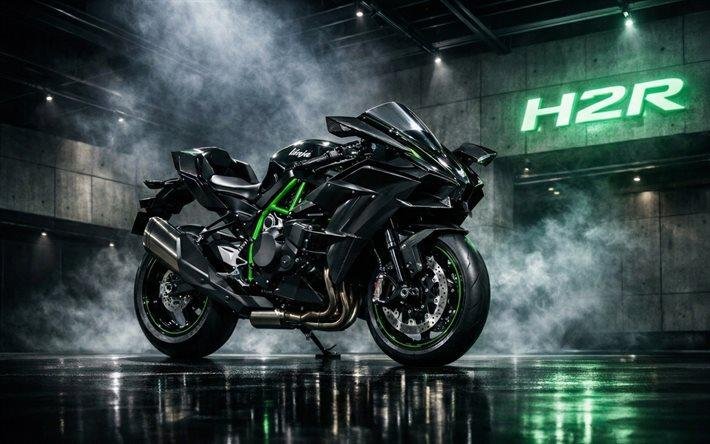
The Kawasaki Ninja H2R is one of the most powerful and technologically advanced bikes ever developed by Kawasaki. Built primarily for closed-course riding, the H2R combines a supercharged engine, aggressive aerodynamic design and advanced electronic systems to deliver extraordinary performance. Unlike conventional bikes designed for everyday road use, the Ninja H2R is engineered around extreme speed and track-focused performance.
The Ninja H2R belongs to Kawasaki’s legendary Ninja family, but its engineering places it in a completely different category. The bike is designed for experienced riders who want to explore high levels of performance in a controlled environment. From its supercharged engine to its distinctive aerodynamic winglets, almost every element of the H2R has been developed with performance as the main priority.
Kawasaki Ninja H2R Engine
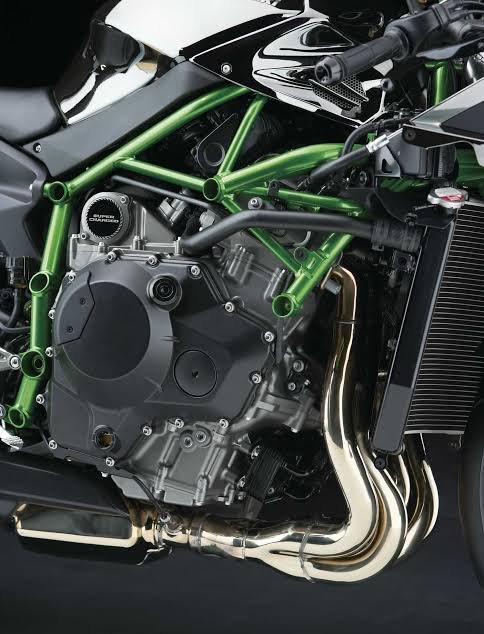
At the heart of the Kawasaki Ninja H2R is a 998cc inline-four-cylinder supercharged engine. The supercharger is the key feature that separates this bike from many other high-performance bikes.
A supercharger forces additional air into the engine, allowing more fuel and air to be burned during combustion. This helps the engine produce an exceptionally high level of power from its relatively compact displacement.
The inline-four configuration also provides the high-revving character associated with Kawasaki’s performance bikes. Combined with forced induction, the engine delivers extremely strong acceleration and a distinctive riding experience.
Supercharged Performance
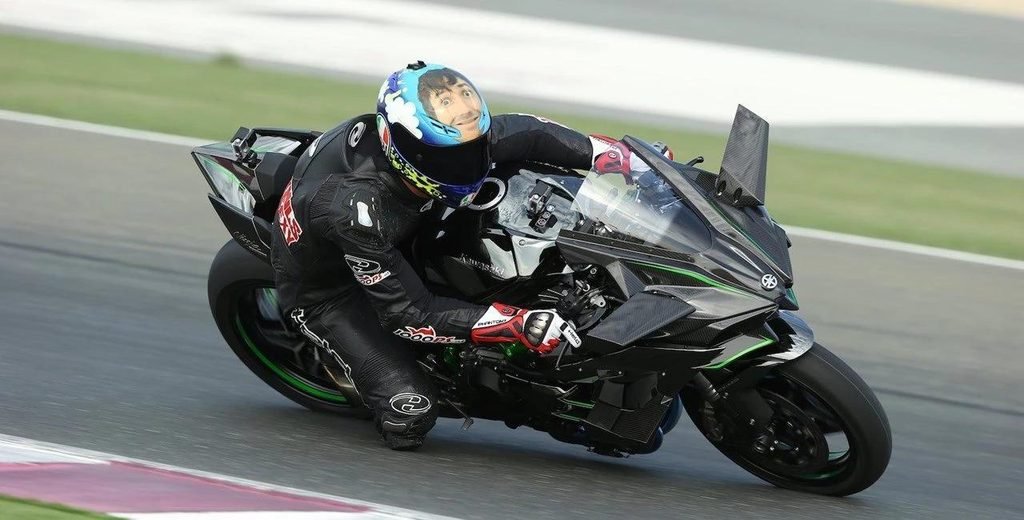
The performance of the Ninja H2R is what has made the bike famous around the world. Its power output is far beyond what most everyday bikes offer, giving it extraordinary acceleration and high-speed capability.
Electric vehicles may be changing the performance landscape, but the H2R remains a fascinating example of what can be achieved with a highly developed internal-combustion engine and forced induction.
The bike’s enormous performance also means it is not intended for casual riding. Its capabilities are best explored only on a suitable closed track with appropriate safety equipment and experienced riders.
Aerodynamic Winglets
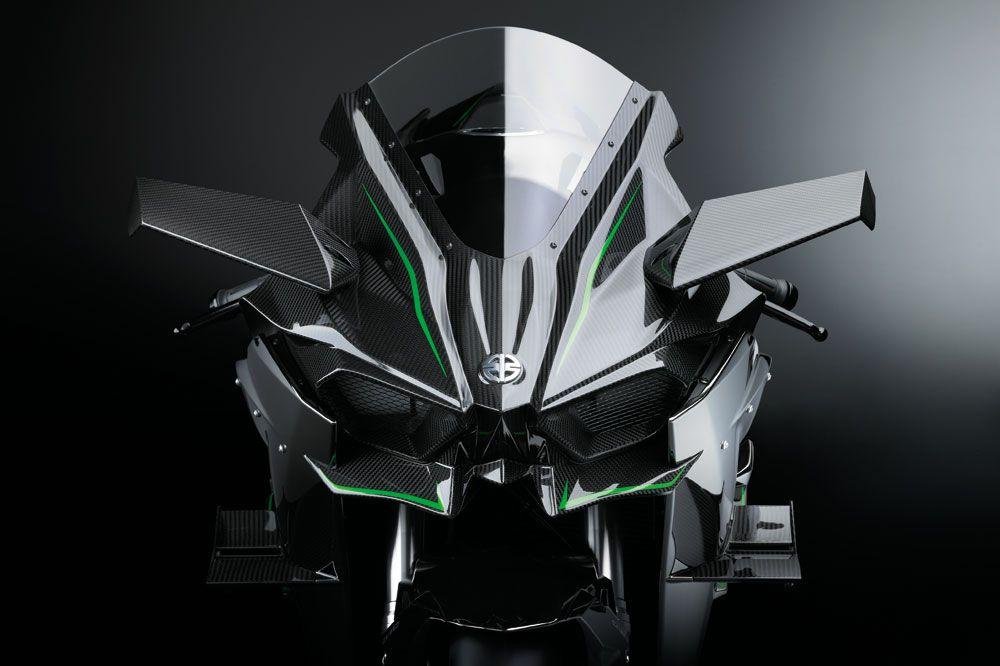
One of the most recognizable features of the Ninja H2R is its carbon-fibre aerodynamic winglets. These components give the bike an aggressive and futuristic appearance, but their purpose goes beyond styling.
At very high speeds, aerodynamic forces can have a major influence on stability. The H2R’s winglets are designed to generate aerodynamic downforce and help keep the bike stable when travelling at extreme speeds.
This approach demonstrates how Kawasaki has treated aerodynamics as an important part of the H2R’s overall performance package. The bodywork, winglets and other aerodynamic surfaces work together to support the bike’s high-speed characteristics.
Kawasaki Ninja H2R Design
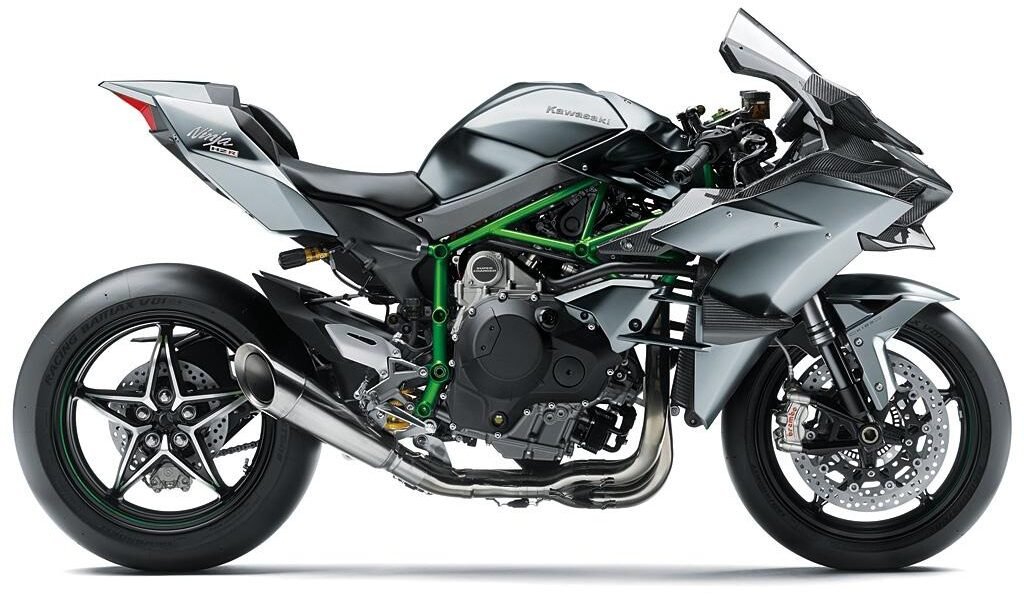
The design of the Kawasaki Ninja H2R is unlike that of an ordinary sport bike. Its sharp fairing, exposed aerodynamic elements and sculpted bodywork create an unmistakable appearance.
Kawasaki’s distinctive finish also contributes to the H2R’s premium character. The combination of dark surfaces, carbon-fibre components and aggressive detailing gives the bike a futuristic visual identity.
The design is not simply about appearance. Many of the body panels have been shaped around aerodynamic requirements, showing how closely styling and engineering are connected on this bike.
Advanced Electronics
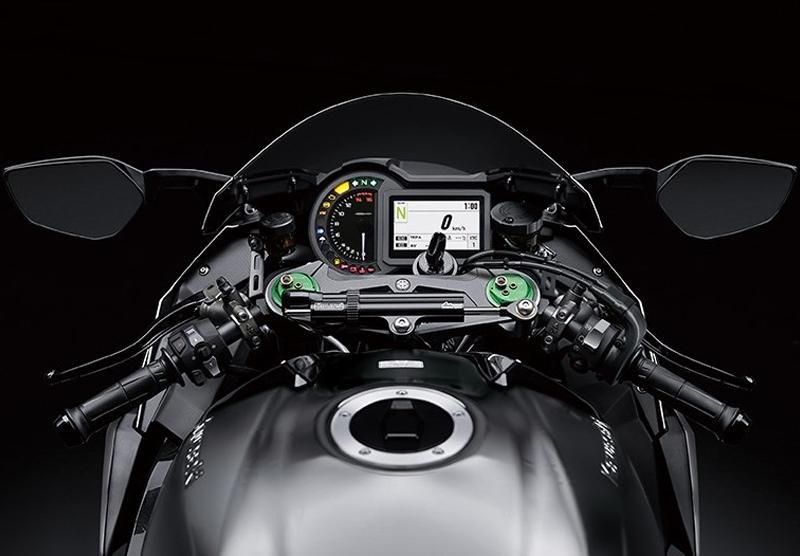
Managing the Ninja H2R’s enormous performance requires sophisticated electronics. The bike is equipped with advanced electronic rider-assistance systems designed to help experienced riders control its power.
These systems can assist with areas such as traction management, launch control, engine braking and riding modes. By managing the power delivery and available traction, the electronics can help make the bike more controllable in demanding track conditions.
However, electronic systems do not remove the need for rider skill. The H2R remains an extremely powerful bike and requires responsible operation in an appropriate environment.
Braking and Handling
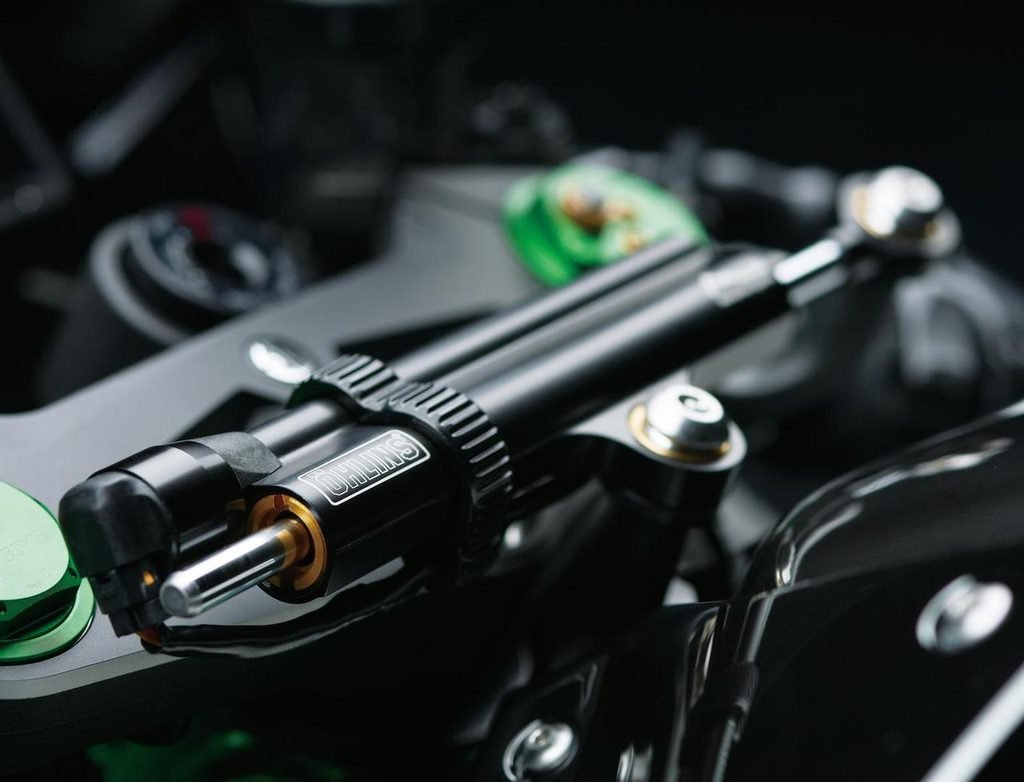
A bike with this level of performance needs equally capable braking and chassis technology. The Ninja H2R uses high-performance components designed to provide strong stopping power and stability during aggressive riding.
The suspension system is also an important part of the bike’s performance. A well-controlled suspension setup helps maintain stability during acceleration, braking and cornering.
The combination of the chassis, suspension, brakes and electronics allows the H2R to handle the enormous output of its supercharged engine more effectively.
Track-Focused Bike
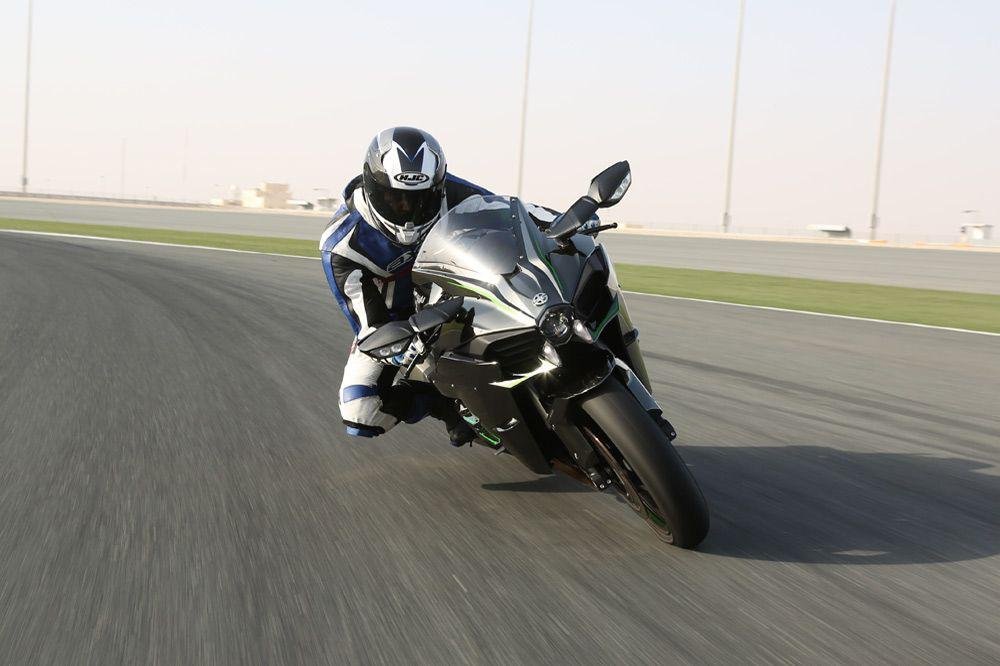
The Kawasaki Ninja H2R is primarily a closed-course bike rather than an everyday road bike. This distinction is important because its design and performance are centered around track riding.
A normal road bike has to balance performance with comfort, practicality, regulations and everyday usability. The H2R has been developed with a much stronger focus on extreme performance.
For enthusiasts, this makes the bike particularly special. It represents Kawasaki’s ability to push performance engineering to an extreme level without designing the H2R around ordinary commuting requirements.
Why The Ninja H2R Is Special
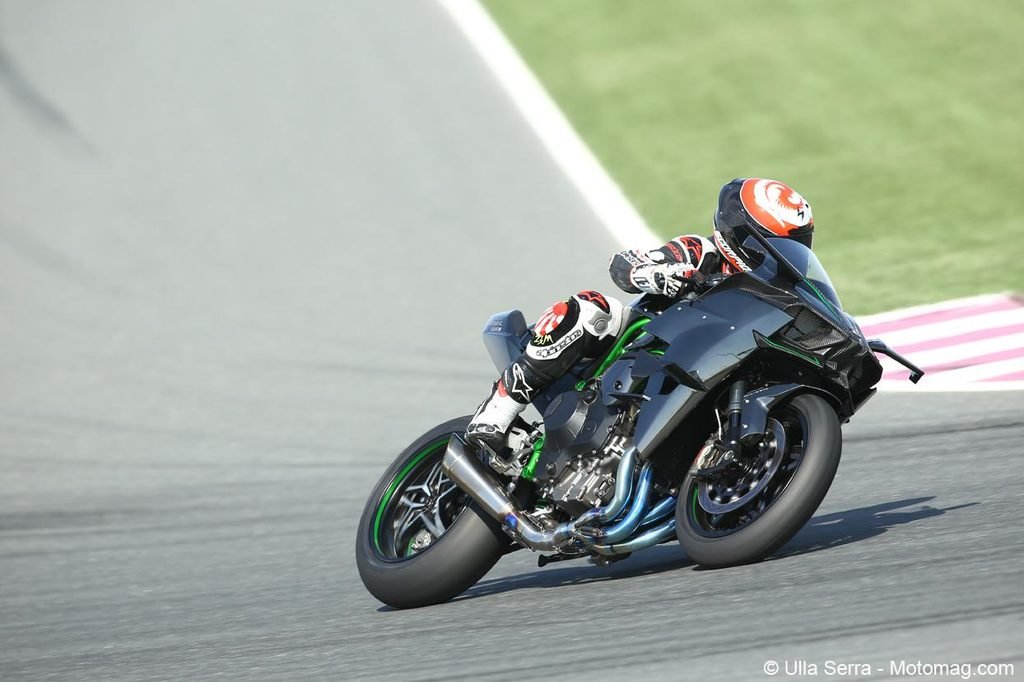
The Ninja H2R stands out because Kawasaki has combined several advanced technologies into one bike. The supercharged engine provides enormous power, aerodynamic winglets help with high-speed stability, while sophisticated electronics assist with managing the available performance.
The result is a bike that feels more like a showcase of engineering than a conventional form of transportation. It demonstrates how far Kawasaki can push performance when extreme speed and track capability are the primary goals.
Conclusion
The Kawasaki Ninja H2R is an extraordinary supercharged bike built around extreme performance. Its 998cc inline-four engine, advanced supercharger, carbon-fibre aerodynamic winglets, sophisticated electronics and performance-focused chassis make it one of Kawasaki’s most remarkable bikes.
The H2R is not designed as an everyday commuter bike. Instead, it is a specialized machine created for controlled closed-course environments and experienced riders. Its engineering showcases the combination of forced induction, aerodynamics and electronic technology in modern high-performance bike development.
For bike enthusiasts, the Kawasaki Ninja H2R remains a fascinating example of extreme engineering. It combines futuristic design with a supercharged powertrain to create a bike that has earned a unique place in the world of high-performance machines.