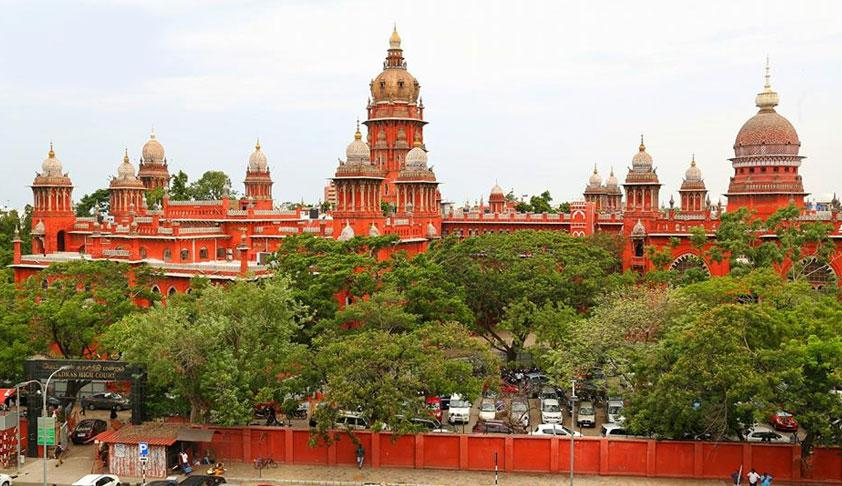
Madras High Court Delivers Key FCRA Ruling
The Madurai Bench of the Madras High Court has delivered a significant ruling on Foreign Contribution Regulation Act (FCRA) registration, holding that organisations involved in converting people from one religious faith to another can be denied FCRA registration.
The judgment came while the court dismissed an appeal by Kanzeon Public Charitable Trust, a Kodaikanal-based organisation that had challenged the rejection of its application for FCRA registration.
The Division Bench comprising Justice G.R. Swaminathan and Justice M.D. Sumathi also stressed that organisations applying for FCRA registration must accurately disclose the nature and character of their activities.
Why Was the FCRA Application Rejected?
Kanzeon Public Charitable Trust, established in 2021, operates a Zen meditation centre in Kodaikanal. The trust argued that its activities were not religious and that Zen meditation should not be classified as a religious activity.
However, the court found that the organisation should have correctly identified its religious character in its FCRA application. The Bench noted that Zen Buddhism falls within the broader Buddhist tradition and that applicants must provide complete and accurate information when seeking registration.
The court therefore upheld the authorities’ decision to reject the application.
Court Highlights Religious Conversion Provision

A major aspect of the judgment concerned Section 12(4)(a)(ii) of the FCRA, which addresses religious conversion.
The Bench stated that the provision applies irrespective of the particular religion involved. It specifically observed that an organisation engaged in conversion activities, including a Hindu organisation involved in Ghar Wapsi, could face denial of FCRA registration.
This aspect makes the ruling particularly important for organisations seeking foreign contributions while conducting religious programmes.
FCRA Registration Is Not an Absolute Right
The court also made an important observation about foreign contributions. According to the judgment, receiving foreign contributions is not an absolute legal right, but a statutory privilege subject to the conditions laid down under the FCRA.
At the same time, the court clarified that religious organisations are not automatically prohibited from seeking FCRA registration. Organisations whose activities do not undermine secularism or social harmony can apply, provided they satisfy the statutory requirements and correctly disclose their activities.
Religious, Educational and Cultural Activities Distinguished

The judgment also drew a distinction between religious activities and educational or cultural activities.
The Bench indicated that organisations involved in teaching subjects such as Vedanta, the Bhagavad Gita, the Upanishads, Yoga and related Indian Knowledge Systems may fall within educational or cultural categories depending on their actual programmes. Activities centred on worship and religious rituals, however, would be treated as religious in nature.
This distinction could become important for organisations describing their activities as educational, cultural or spiritual while applying for foreign funding.
What the Verdict Means

The ruling reinforces two important principles for organisations seeking FCRA registration:
- Full disclosure is essential when submitting an FCRA application.
- Organisations involved in religious conversion may be denied registration under the statutory framework.
- Religious organisations can still apply for FCRA registration if they meet the legal requirements.
- The nature of an organisation’s actual activities can be examined by the authorities.
- Foreign contributions remain subject to statutory regulation rather than being an unconditional entitlement.
A Significant Development in India’s FCRA Debate

The Madras High Court’s decision adds another important chapter to India’s ongoing debate over foreign funding, religious activities and regulation of NGOs.
For charitable and religious organisations, the message from the judgment is clear: accurate disclosure and compliance with the FCRA framework are crucial when seeking permission to receive foreign contributions.
The ruling also highlights how Indian courts may examine the actual nature and objectives of an organisation rather than relying solely on how an applicant describes itself in its registration documents.
Bottom line: The Madras High Court has upheld the rejection of Kanzeon Public Charitable Trust’s FCRA application while making broader observations that organisations engaged in religious conversion can be denied FCRA registration.