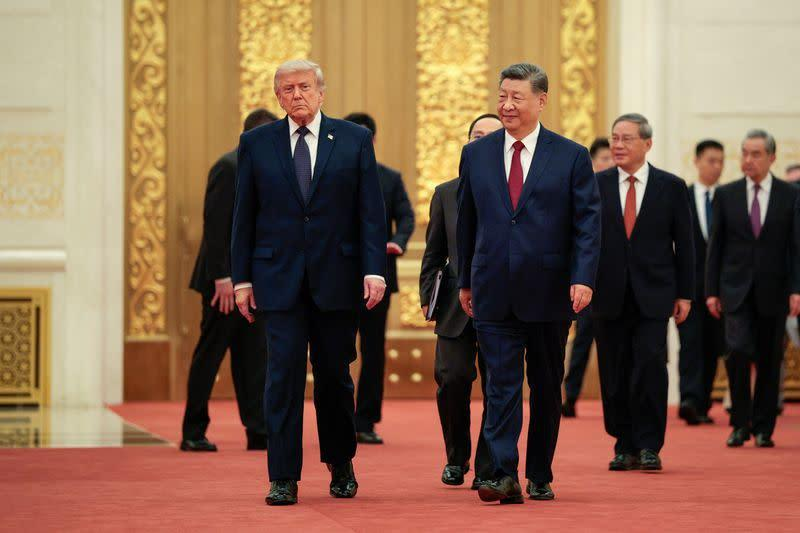
Trump and Xi Face a Crucial Moment for US-China Relations
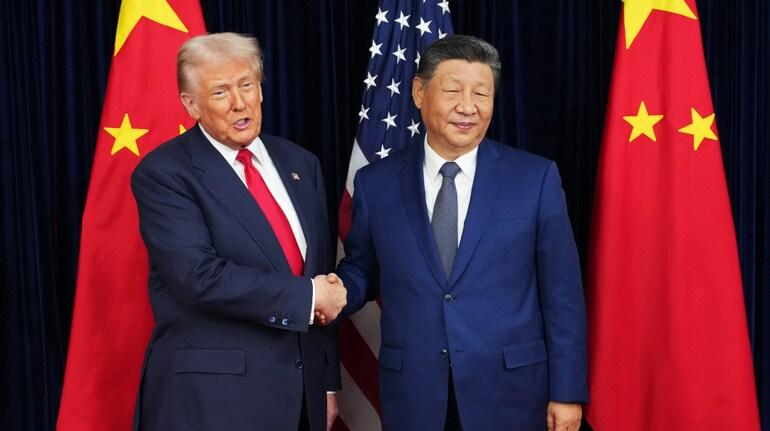
The meeting between U.S. President Donald Trump and Chinese President Xi Jinping in Washington has placed the future direction of US-China relations and the wider Asian order under renewed scrutiny.
Xi arrived in Washington on September 23 for a three-day state visit, with Trump welcoming him at Joint Base Andrews. The visit comes as Washington and Beijing continue to manage disagreements over trade, technology, Taiwan and broader geopolitical issues.
While the summit is not expected to resolve every major dispute, the discussions could influence how the world’s two largest economies manage competition and cooperation in the months ahead.
Why the Trump–Xi Meeting Matters for Asia
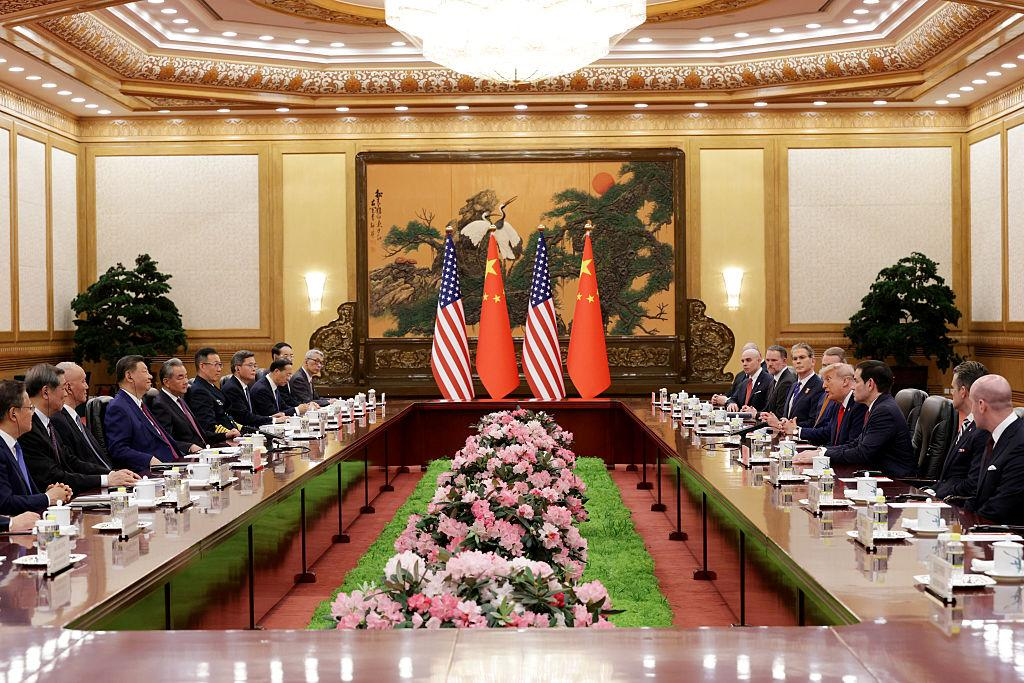
The relationship between Washington and Beijing has consequences far beyond the two countries.
Asian economies depend heavily on global trade, technology supply chains and stable shipping routes. At the same time, countries across the Indo-Pacific are closely watching U.S. and Chinese policies toward Taiwan, military security and regional alliances.
The current Trump–Xi engagement therefore carries significance for countries including Japan, South Korea, India, Australia and nations across Southeast Asia.
Reuters reported that U.S. allies in Asia have been watching closely for indications of how Washington will handle Taiwan and its broader relationship with Beijing.
This makes the summit about more than tariffs or individual trade agreements. It is also part of a larger contest over economic influence, technology and strategic relationships in Asia.
Trade Remains at the Center of the Trump–Xi Agenda
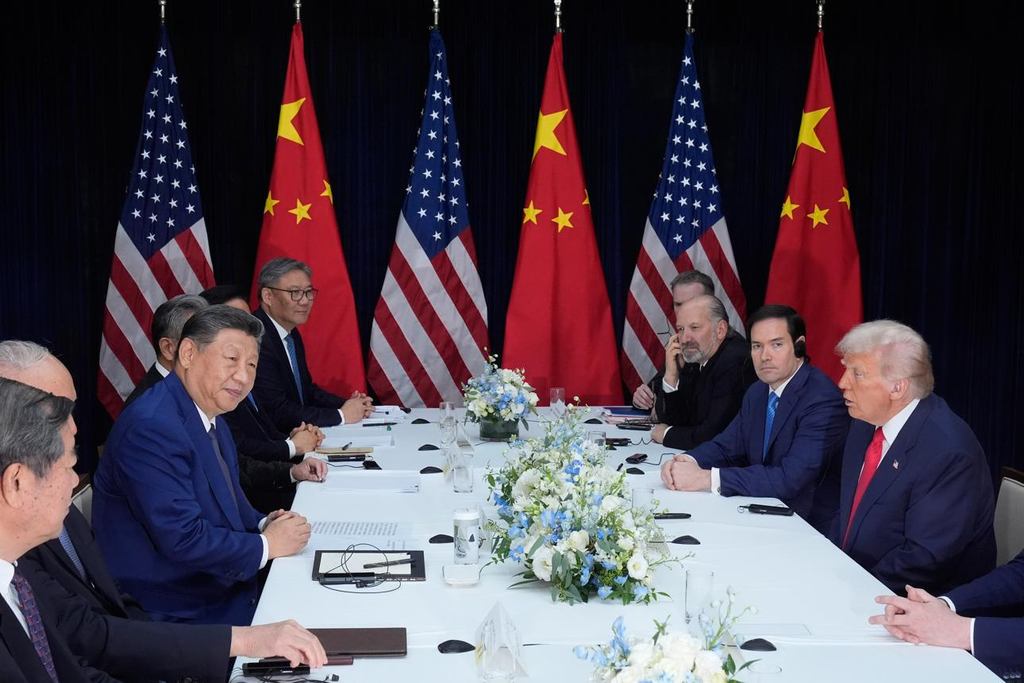
Trade is one of the most immediate issues facing Trump and Xi.
The two countries have been operating under a trade truce reached in 2025, and maintaining that arrangement is one of the key objectives surrounding the current summit. Reuters reported that Washington and Beijing were looking at issues including trade arrangements and rare-earth export licenses.
Earlier agreements included commitments involving agricultural purchases, critical minerals and other areas of economic cooperation. The White House said in May that the two governments had also agreed to establish U.S.-China Boards of Trade and Investment.
However, implementation has not been completely straightforward.
The Associated Press reported that progress on several commitments has varied, with questions remaining around agricultural purchases, Boeing aircraft orders, investment cooperation and other elements of the previous agreement.
That leaves trade negotiations as an important test of whether the two governments can turn diplomatic agreements into sustained economic cooperation.
Taiwan Could Become a Major Flashpoint
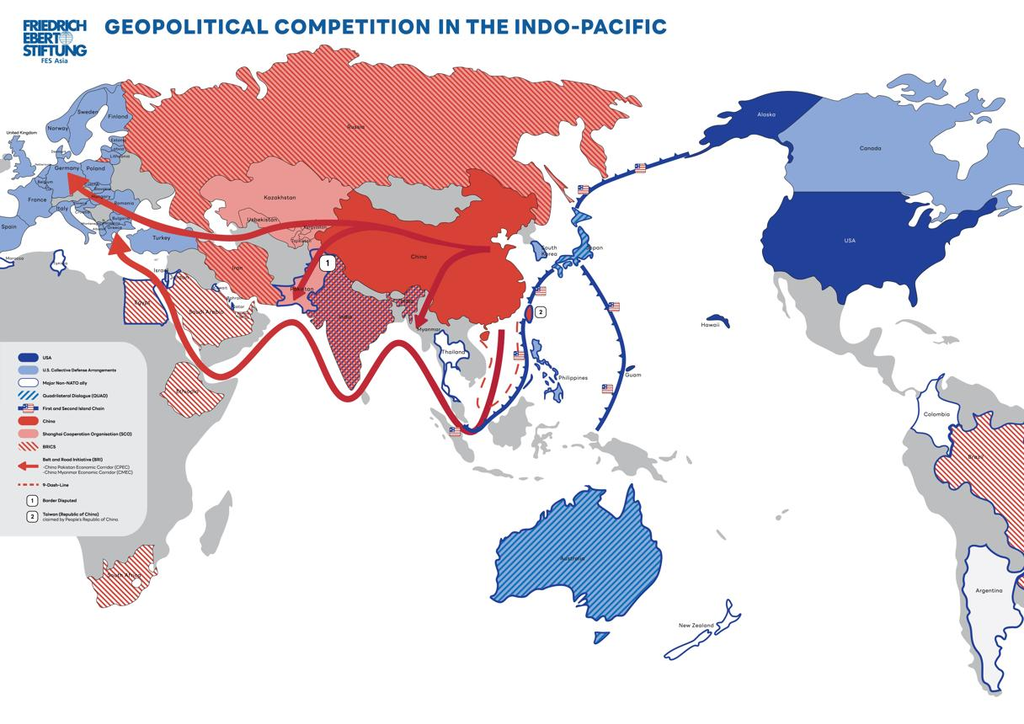
Taiwan remains one of the most sensitive issues in the U.S.-China relationship.
Beijing considers Taiwan part of China and has repeatedly opposed U.S. arms sales to the island. Reuters reported ahead of Xi’s visit that Chinese officials were expected to press Trump over U.S. weapons sales to Taiwan and reference the 1982 U.S.-China communiqué.
For Washington’s Asian partners, any change in U.S. policy toward Taiwan could have wider strategic implications.
The issue is particularly important because Taiwan sits at the center of the security architecture of the western Pacific. Any major shift in U.S.-China policy could therefore be closely watched by governments throughout the region.
At the same time, neither side has indicated that the summit will resolve the fundamental disagreement over Taiwan.
Technology and AI Add Another Layer of Competition
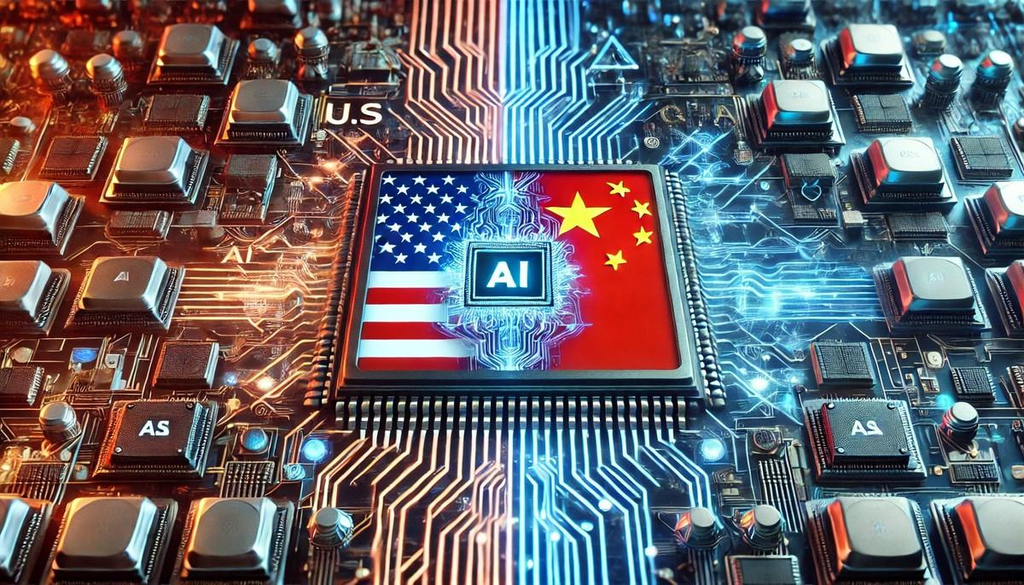
Technology has become another major part of the U.S.-China rivalry.
Washington and Beijing are competing in areas including advanced computing and artificial intelligence while simultaneously discussing ways to reduce risks associated with rapidly developing AI systems.
The Associated Press reported that officials from both countries have explored an AI crisis-communication mechanism, including discussions around reporting serious AI incidents. However, technological competition and U.S. export restrictions remain significant obstacles to broader cooperation.
This creates an unusual situation: the United States and China are competitors in advanced technology but also have shared reasons to communicate about potentially dangerous AI-related developments.
China’s Economic Influence Is Also Expanding
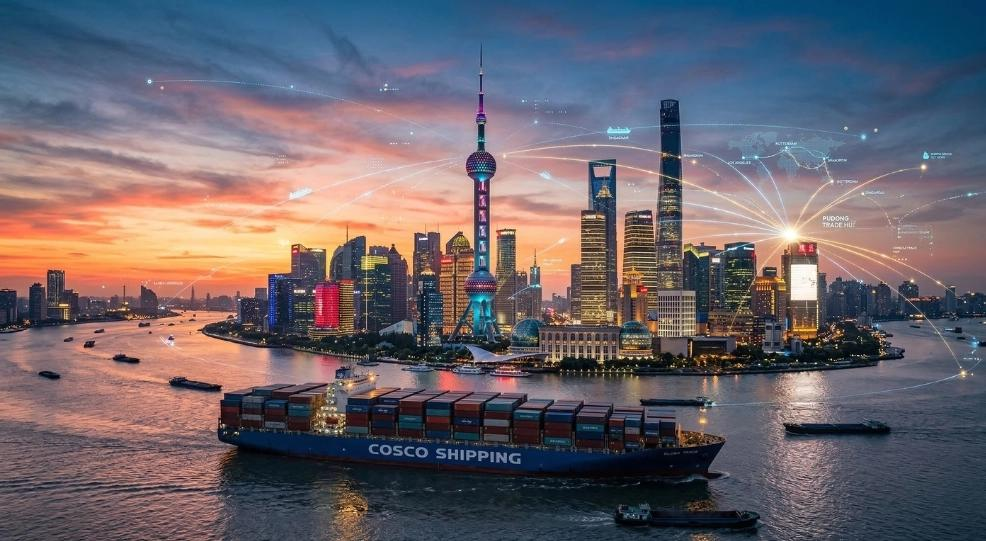
China’s economic position gives Beijing significant leverage in its relationship with Washington and other Asian economies.
Ahead of the summit, the Chinese yuan reached a more than three-and-a-half-year high against the U.S. dollar, according to Reuters, as markets responded to developments surrounding the Trump–Xi meeting.
China also remains deeply integrated into international manufacturing and supply chains.
For Asian countries, the challenge is increasingly about balancing economic relationships with China against security partnerships and strategic relationships with the United States.
This balancing act could become even more important if Washington and Beijing continue competing for influence across the Indo-Pacific.
What the Summit Could Mean for the Asian Order
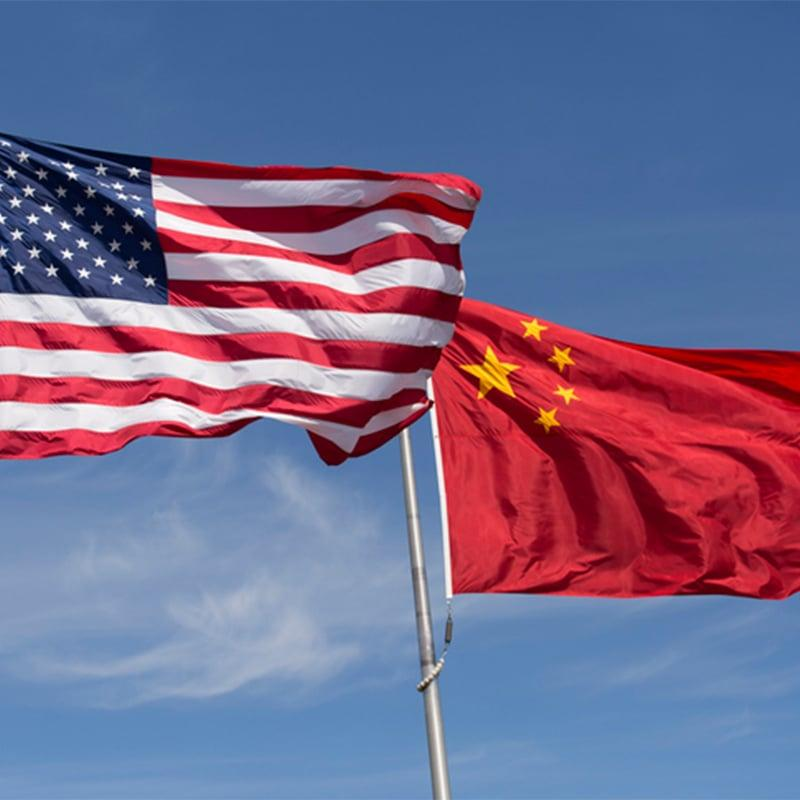
The phrase “Asian order” refers broadly to how economic, diplomatic and security relationships are organized across the region.
The current Trump–Xi summit does not by itself determine that order. However, decisions made by Washington and Beijing can influence the environment in which other Asian countries make their own choices.
Three areas deserve particular attention:
1. Economic Relationships
A stable U.S.-China trade relationship could reduce uncertainty for businesses and supply chains, while renewed tariff disputes could create additional pressure on Asian exporters and manufacturers.
2. Security Partnerships
Developments involving Taiwan and broader U.S.-China military relations could influence defense planning among American allies and partners in Asia.
3. Technology Competition
Competition over AI, semiconductors and advanced technologies could increasingly shape trade policies and international partnerships.
A Relationship Defined by Cooperation and Competition
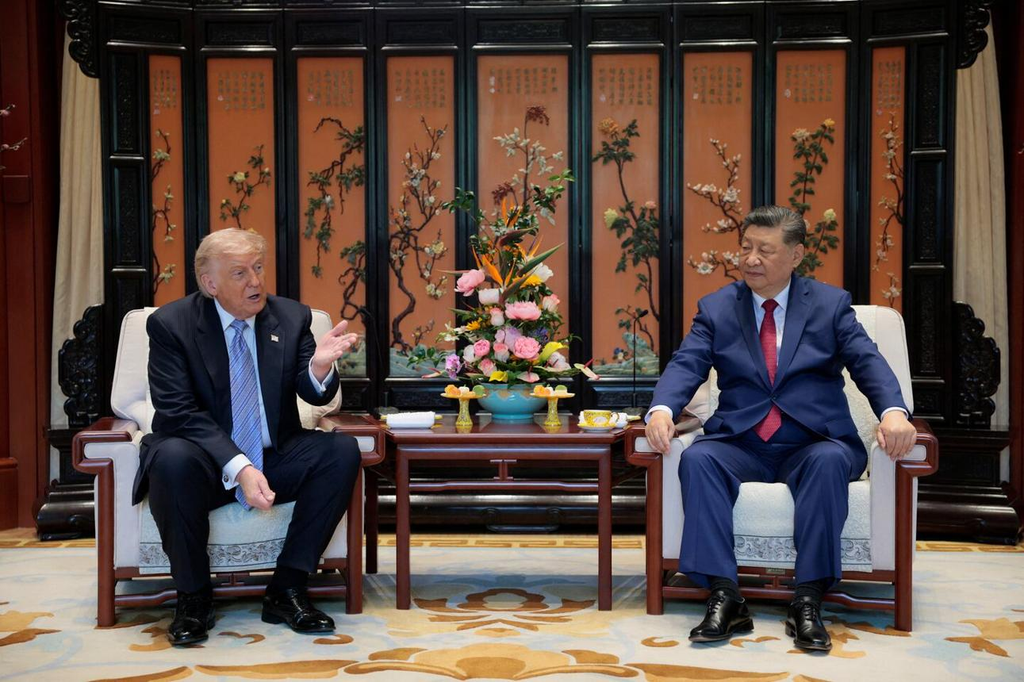
The Trump–Xi relationship is not simply a choice between cooperation and confrontation.
Both governments have economic reasons to avoid uncontrolled escalation, while simultaneously competing over technology, trade, security and global influence.
Reuters reported that the current summit was expected to focus heavily on maintaining stability rather than producing a sweeping breakthrough.
That distinction is important.
Even a limited agreement could provide temporary stability, while unresolved disputes could continue shaping the relationship afterward.
What Comes Next?
The most important developments may come after the state visit.
Markets, businesses and governments will be watching for concrete outcomes on trade, rare earths, Taiwan, technology and other areas of disagreement.
The White House has described Xi’s visit as a significant state occasion, with a formal arrival ceremony and state dinner scheduled during the visit.
For Asia, however, the larger question extends beyond the ceremony itself: Can Washington and Beijing manage their rivalry without allowing competition to destabilize the wider region?
The answer will depend not only on Trump and Xi but also on how other Asian governments respond to the evolving balance between the United States and China.
Final Takeaway
The Trump–Xi meeting is an important moment for US-China relations, but it should be viewed as part of a much longer strategic competition rather than a single event that will immediately redefine Asia.
Trade, Taiwan, technology and regional security remain deeply connected. How Washington and Beijing handle these issues could influence economic confidence and diplomatic relationships across the Indo-Pacific.
For now, the summit offers an opportunity for both governments to reduce tensions in selected areas while continuing to manage significant disagreements.
The biggest question for Asia is not simply what Trump and Xi agree on in Washington, but how those decisions shape the region after they leave.