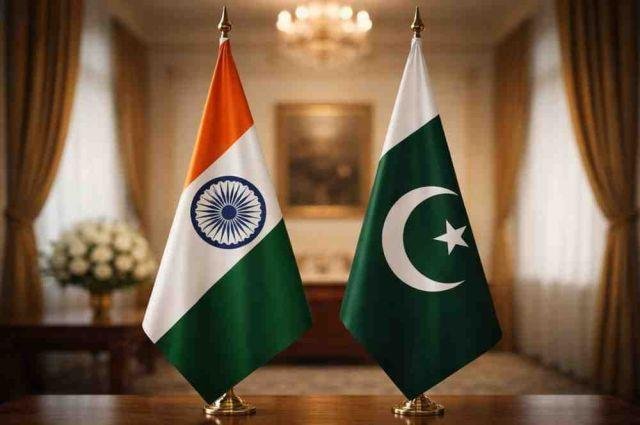
Jaishankar Responds to Pakistan at the UN General Assembly
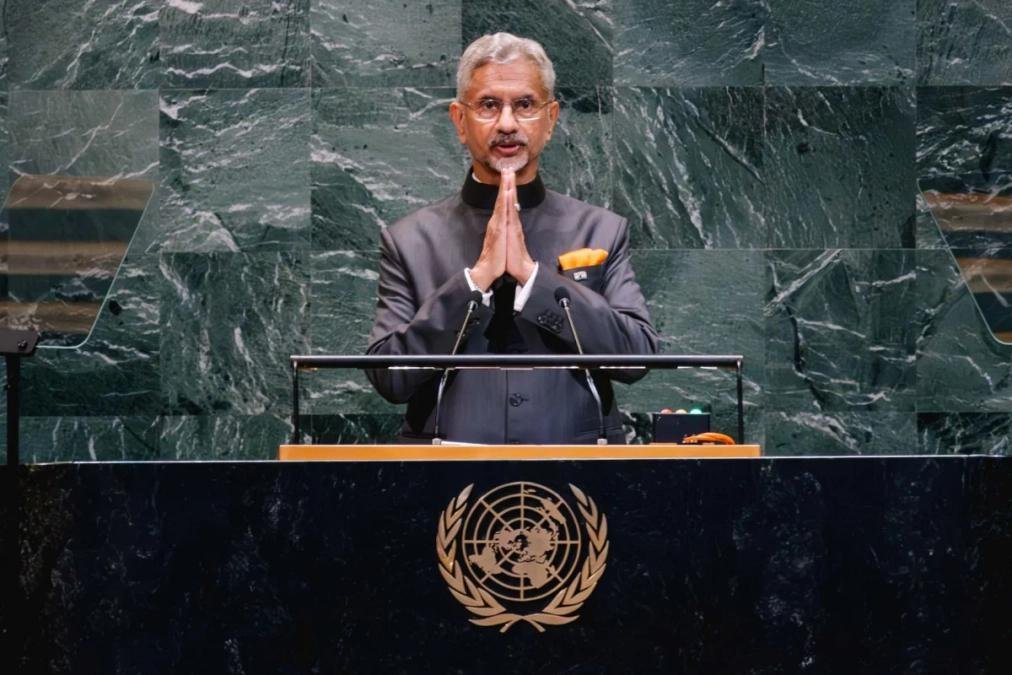
India-Pakistan tensions took centre stage at the 81st United Nations General Assembly (UNGA) as External Affairs Minister S. Jaishankar delivered India’s national statement on September 26, 2026.
Without directly naming Pakistan, Jaishankar criticised what he described as attempts to misrepresent facts and normalise terrorism. He told the General Assembly that terrorism remains a persistent threat to international peace and said India’s right to defend itself against terrorism would be exercised.
His remarks came a day after Pakistan Prime Minister Shehbaz Sharif addressed the UNGA, where he raised the issues of Kashmir and the Indus Waters Treaty while discussing relations with India.
Jaishankar Highlights Terrorism as a Threat to Global Peace
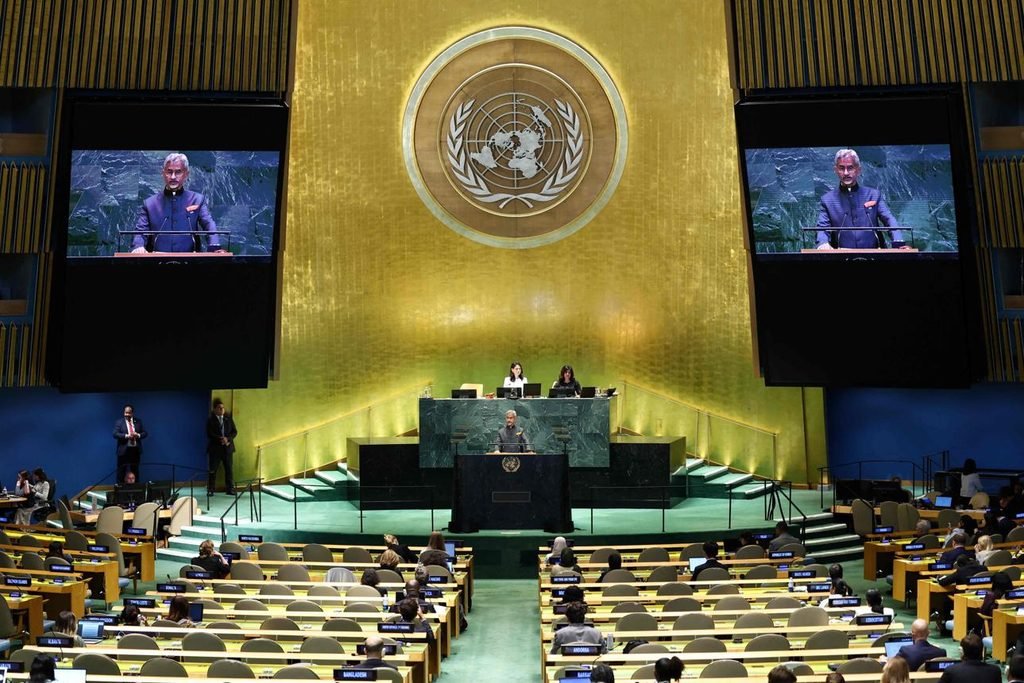
During his speech, Jaishankar focused heavily on terrorism and its wider impact on international security.
He argued that terrorism becomes a direct challenge to the international order when it involves a cross-border dimension or state support. He also called for governments involved in such activities to be held accountable and urged greater attention to the financial networks that support terrorism.
Jaishankar also said that friendship and goodwill cannot coexist with terrorism, linking India’s security position to its broader diplomatic approach.
Indus Waters Treaty Becomes a Major Point of Dispute
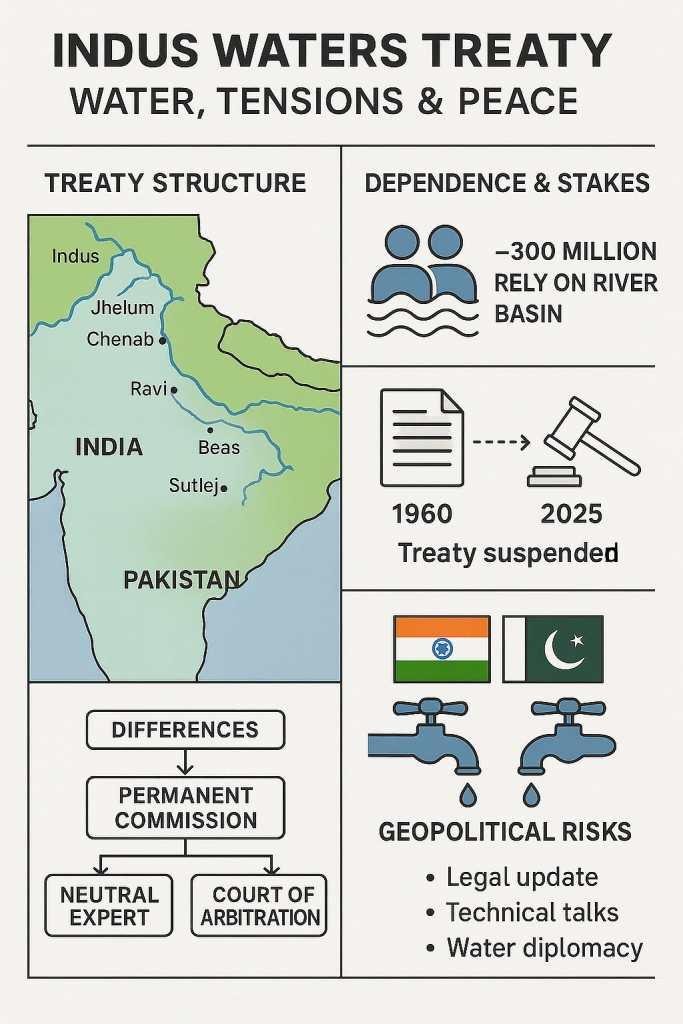
The Indus Waters Treaty was another important issue surrounding the exchange at the UN.
Pakistan Prime Minister Shehbaz Sharif had said in his UNGA address that any attempt to stop or divert Pakistan’s share of Indus River waters would be treated as an “act of war.” Pakistan has also challenged India’s decision to place the treaty in abeyance.
India has maintained that the treaty will remain in abeyance until Pakistan credibly and irrevocably ends support for cross-border terrorism, according to reports on Jaishankar’s remarks.
The disagreement over the treaty adds another complicated dimension to already strained relations between the two neighbouring countries.
Pakistan and India Exchange Sharp Statements at UNGA
The latest developments followed a series of exchanges between Indian and Pakistani representatives at the United Nations.
After Sharif’s address, India’s representative Petal Gahlot responded to Pakistan’s remarks, while Pakistan’s representative Saima Saleem subsequently made counter-allegations concerning India, Kashmir and the Indus Waters Treaty.
Jaishankar’s subsequent national statement continued India’s response, although he did not explicitly name Pakistan while referring to the previous day’s speech.
Jaishankar Also Addresses Wider Global Challenges
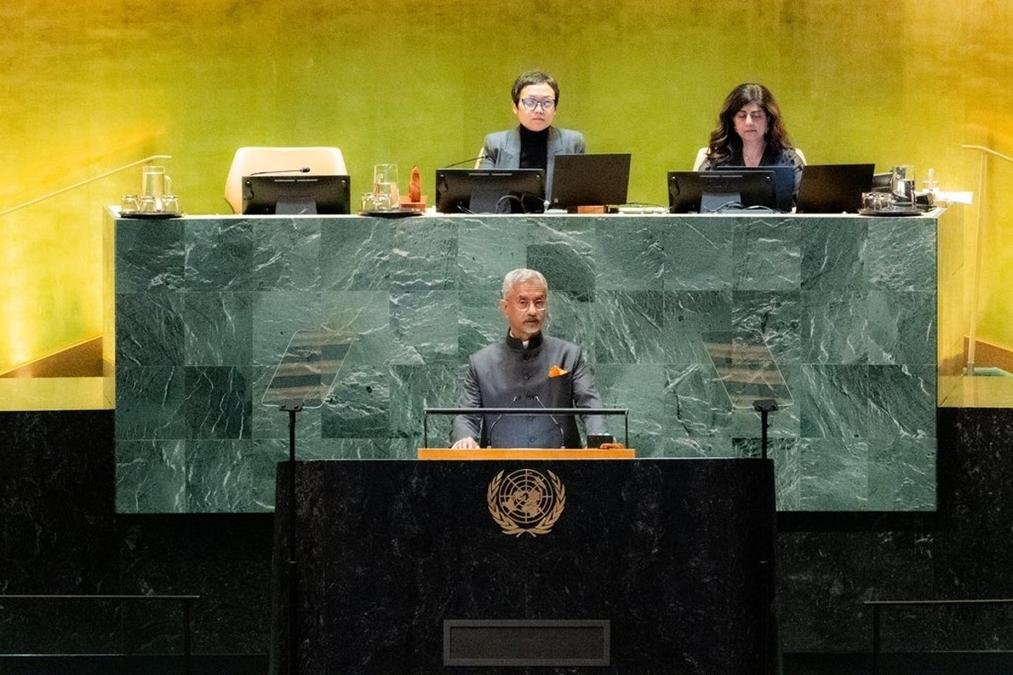
Beyond the India-Pakistan dispute, Jaishankar’s UNGA speech covered broader international issues.
He called for reforms to multilateral institutions and described the international system as moving toward a more multipolar order. He also highlighted India’s role in humanitarian assistance and disaster response, including support provided after natural disasters and conflicts.
Jaishankar additionally discussed artificial intelligence, saying India sees AI as an important tool for economic development, human empowerment and large-scale problem-solving. He called for greater cooperation with countries of the Global South.
What the UNGA Exchange Means for India-Pakistan Relations
The latest statements at the UN highlight several unresolved issues between India and Pakistan, including terrorism, Kashmir, security and the Indus Waters Treaty.
The two countries presented sharply different positions at the international forum, while the treaty dispute remains closely connected to their broader diplomatic relationship.
The UNGA exchange therefore provides another important snapshot of the continuing diplomatic tensions between New Delhi and Islamabad.
Conclusion
S. Jaishankar’s address at the 81st UN General Assembly placed terrorism, national security and India’s position on relations with Pakistan prominently before the international community.
His remarks followed Shehbaz Sharif’s UNGA speech, which raised Kashmir and the Indus Waters Treaty. The resulting exchange demonstrates how terrorism and water-sharing remain major subjects in India-Pakistan diplomacy.
As both countries continue to present their positions on the international stage, developments surrounding terrorism, Kashmir and the Indus Waters Treaty are likely to remain important areas of diplomatic attention.