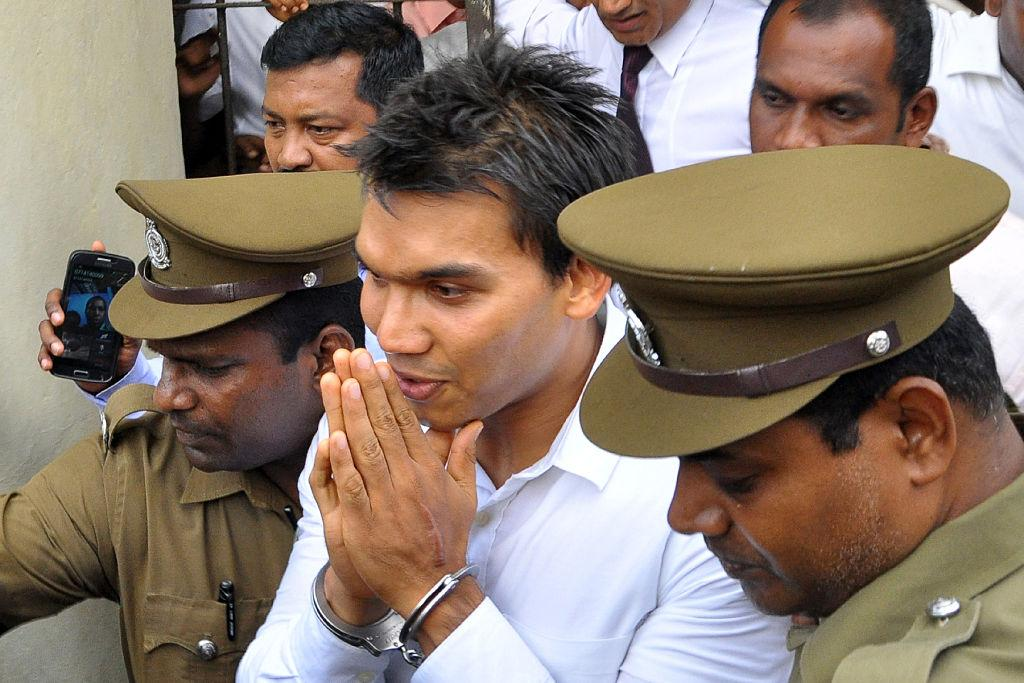
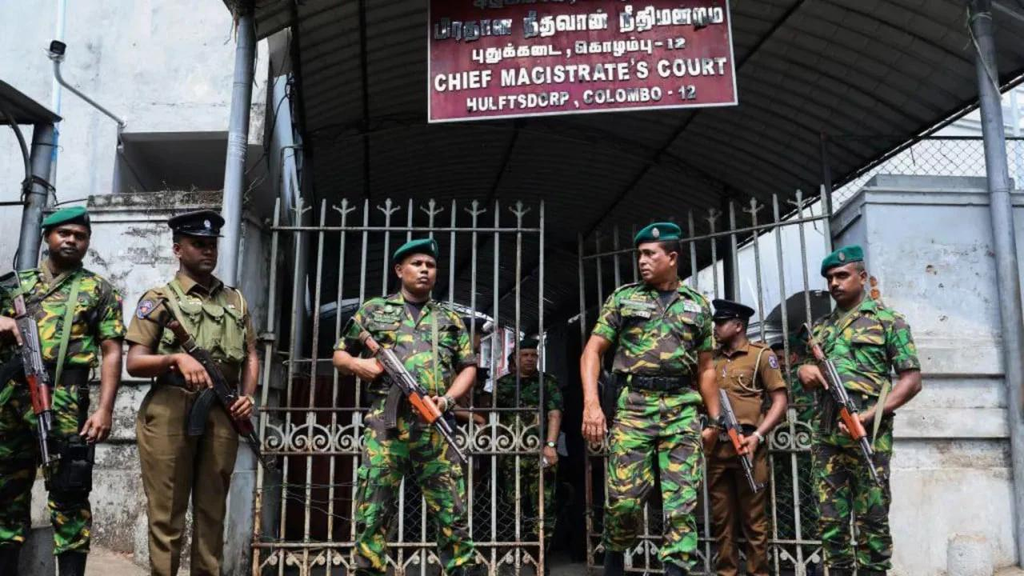
A Sri Lankan court has refused to issue arrest warrants for two Indian directors in an alleged bribery case involving opposition politician Namal Rajapaksa, citing a lack of evidence presented at this stage. The decision was made by Colombo Chief Magistrate Asanga S. Bodaragama on October 2, 2026.
Court Seeks More Evidence

The Commission to Investigate Allegations of Bribery or Corruption (CIABOC) had sought warrants against Amit Katyal and Rajendra Prasad Gupta, who were identified as directors associated with the Indian investment project Krish Hotels.
The magistrate declined to issue the warrants and directed CIABOC to submit a report setting out the evidence supporting its request.
What Is the Bribery Case About?
The case concerns an alleged 70 million Sri Lankan rupee payment linked to a stalled hotel project. Prosecutors allege that the money was connected to efforts to obtain approvals and facilitate the project.
Namal Rajapaksa is currently in remand custody in connection with the case. He has denied the bribery allegation and has said the money was sponsorship for an international rugby event held in Colombo.
Two Indian Directors Named in the Investigation

CIABOC had previously told the court that Katyal and Gupta had been notified about the investigation but had not cooperated, leading prosecutors to seek arrest warrants.
However, the court’s latest decision means no arrest warrants were issued against the two directors at this stage. The bribery investigation itself remains ongoing, with CIABOC asked to provide further supporting material.
Namal Rajapaksa Case Continues

Rajapaksa, the son of former Sri Lankan president Mahinda Rajapaksa, remains a central figure in the investigation. According to reports, he was remanded in this case on September 29 until October 13.
The latest court decision concerns the requested warrants against the two Indian directors and does not determine whether the underlying bribery allegations are proven.
Why the Court Decision Matters
The ruling puts the focus on the evidence required before arrest warrants can be issued. CIABOC’s next report could provide further details about the investigation and the evidence it says supports its allegations.
For now, the case remains under judicial consideration, with the allegations against the individuals still subject to legal proceedings.