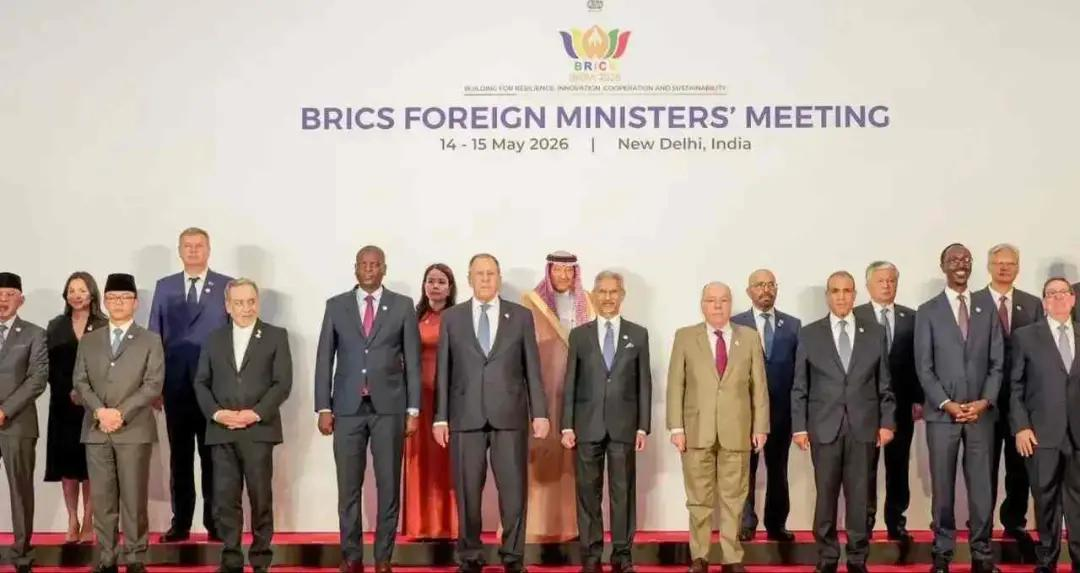
The BRICS Summit 2026 has taken on heightened importance as world leaders confront escalating conflicts, nuclear risks, economic uncertainty and growing geopolitical divisions.
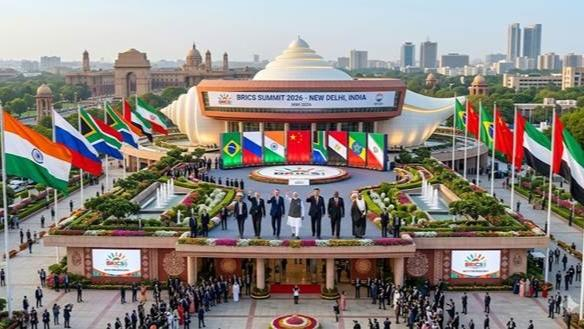
The 18th BRICS Summit, held in New Delhi on September 12–13, 2026, brought together leaders of the expanded BRICS group at a time when international tensions are rising across several regions. India hosted the summit under the theme “Building for Resilience, Innovation, Cooperation and Sustainability.”
Among the most serious issues discussed was the growing danger of nuclear conflict. In the New Delhi Declaration, BRICS leaders expressed concern about increasing nuclear risks and emphasized the importance of arms control, disarmament and preventing further escalation.
Why the 2026 BRICS Summit Matters
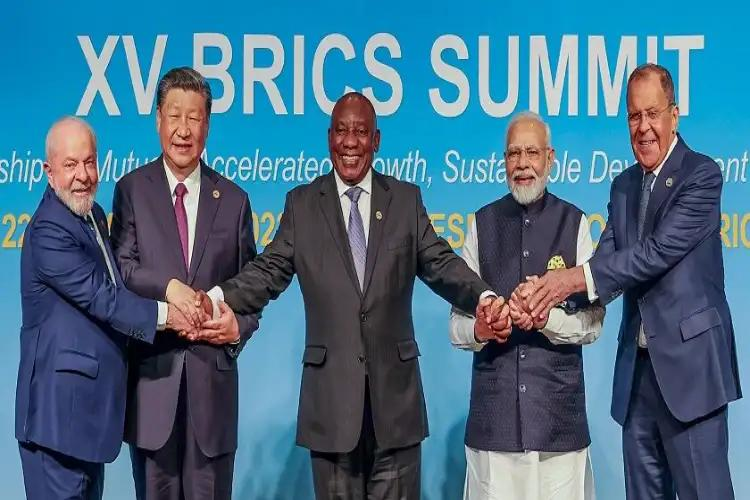
BRICS has grown significantly beyond its original group of Brazil, Russia, India, China and South Africa. Its expanded membership gives the forum greater representation across Asia, Africa and the Middle East.
That makes the New Delhi summit particularly significant as countries seek a stronger voice in global decision-making.
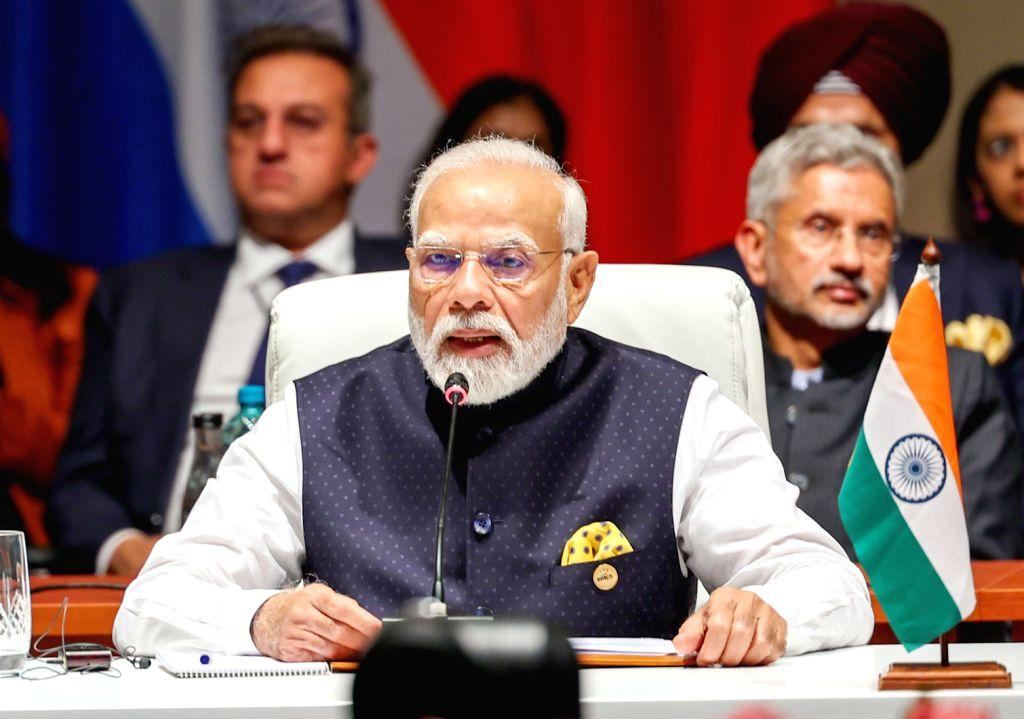
India’s presidency focused on resilience, innovation, cooperation and sustainability, while Prime Minister Narendra Modi also pushed for reforms to international institutions, including greater representation for the Global South in the United Nations Security Council.
Nuclear Risks Become a Major Concern
One of the strongest messages emerging from the summit was the warning about the dangers associated with nuclear conflict.
BRICS leaders called for greater efforts toward nuclear risk reduction, arms control and disarmament, reflecting concerns that continuing international conflicts could increase the possibility of dangerous escalation.
The issue is particularly sensitive because several BRICS members are directly involved in major geopolitical disputes or maintain significant military capabilities.
The declaration therefore highlighted the importance of diplomacy and restraint rather than allowing regional conflicts to expand further.
Middle East Conflict Adds to Global Pressure
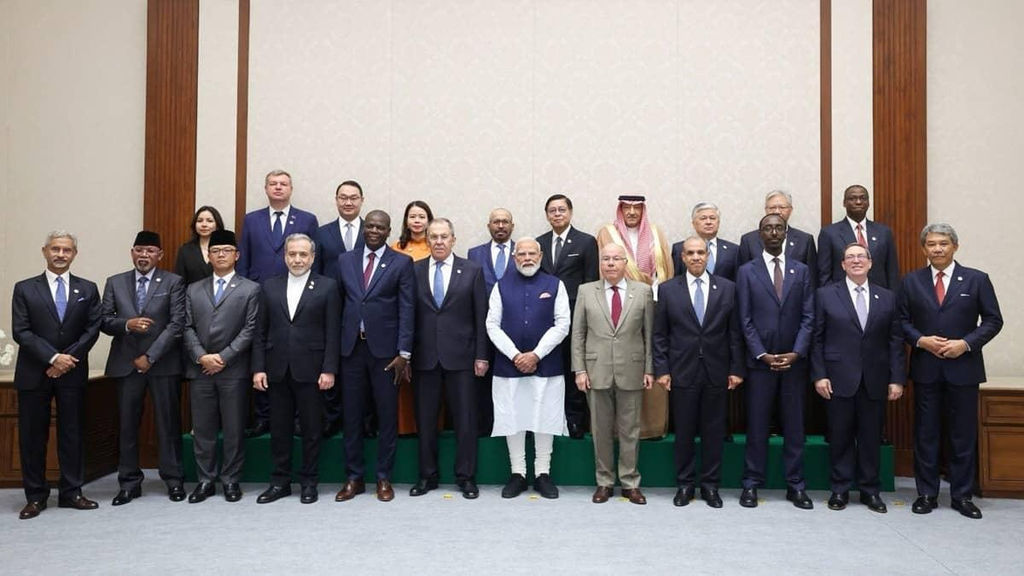
The Middle East was another major focus of the summit.
BRICS leaders expressed serious concern over escalating violence and called for maximum restraint and diplomatic engagement. The presence of countries with very different geopolitical positions made reaching consensus particularly challenging.
The situation demonstrates how interconnected today’s international crises have become. Conflict in one region can quickly affect energy supplies, shipping routes, financial markets and global economic stability.
Ukraine War and Wider Geopolitical Tensions
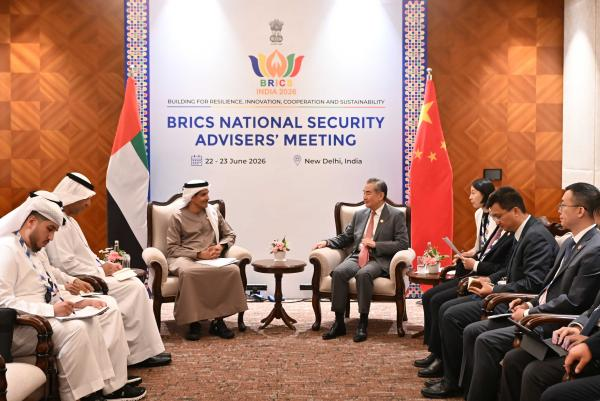
The continuing Russia-Ukraine war also remains part of the broader geopolitical environment surrounding BRICS.
Rather than functioning as a military alliance, BRICS continues to present itself as a platform for dialogue, economic cooperation and greater representation of developing countries.
However, differences among members make a unified position on major international conflicts difficult.
The summit therefore highlighted both the growing influence of BRICS and the challenges involved in keeping such a diverse group together.
India Pushes for a Stronger Global South
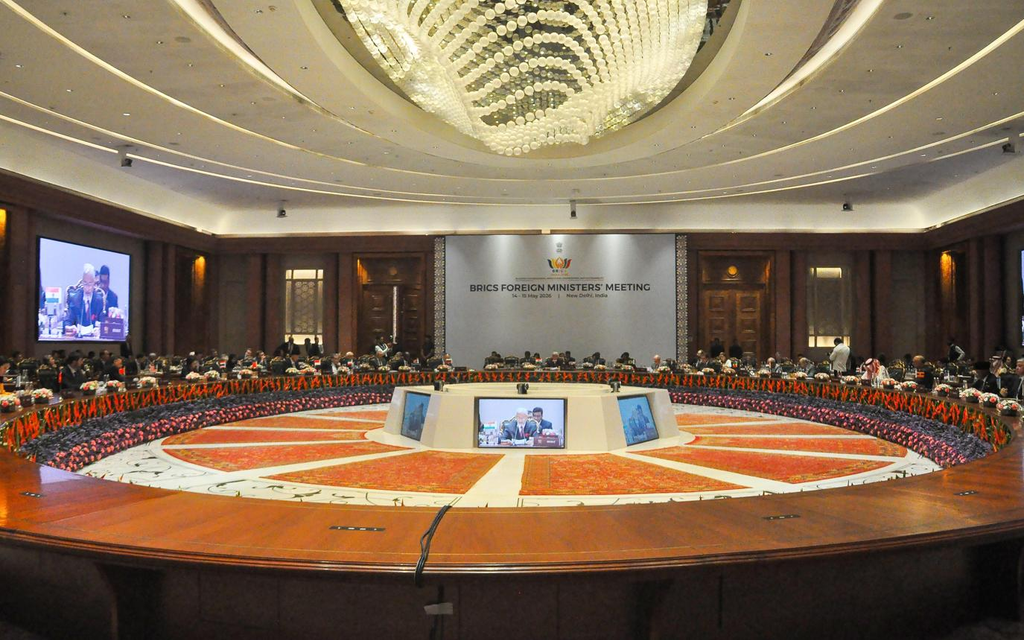
For India, the summit was an opportunity to emphasize the growing importance of developing countries in global governance.
Prime Minister Narendra Modi argued for reforms that would make international institutions more representative and responsive, including changes to the UN Security Council.
India also sought to position BRICS as a forum focused on cooperation rather than simply opposition to Western powers.
This distinction is important because the expanded BRICS membership includes countries with very different relationships with the United States, Europe and one another.
Economic Security Remains Important
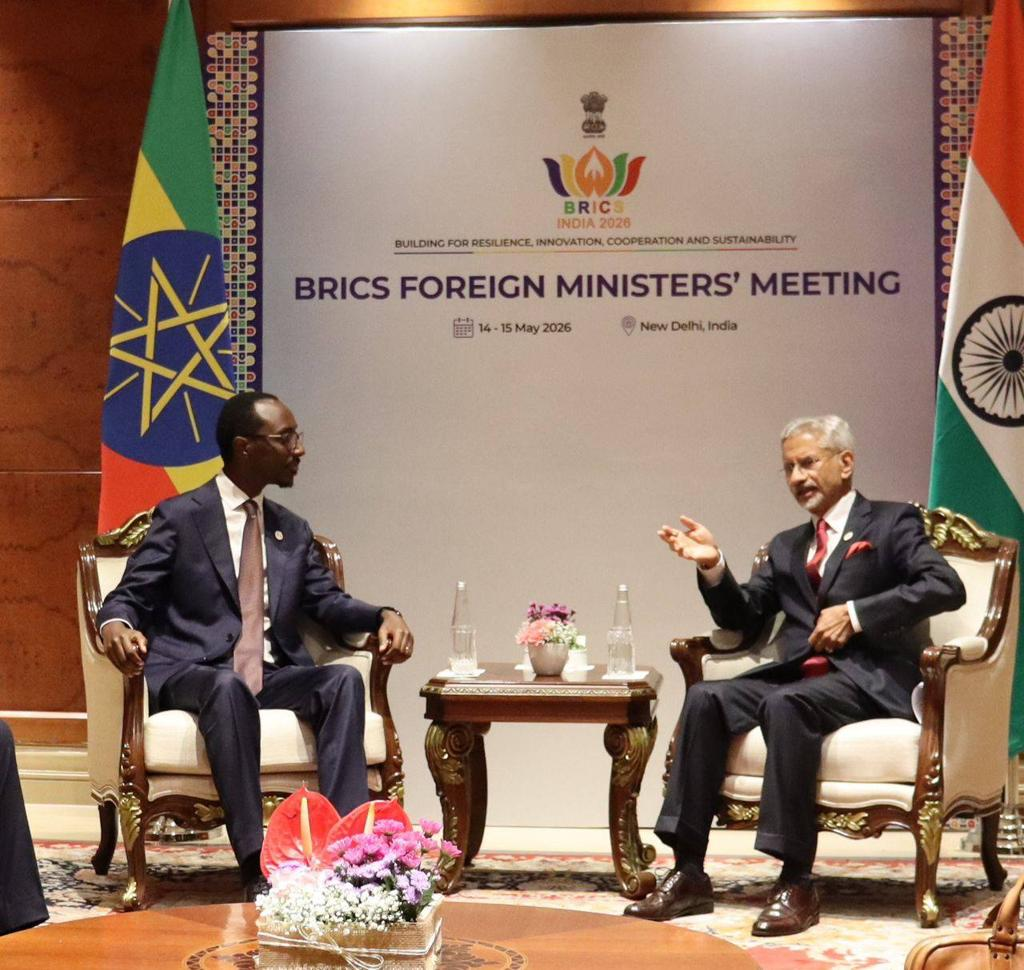
The summit was not only about war and diplomacy.
BRICS leaders also discussed trade, energy security, financial cooperation and the impact of unilateral tariffs and other economic restrictions.
The New Delhi Declaration raised concerns about unilateral tariff and non-tariff measures and emphasized the importance of stable international trade.
Energy security was another key concern, particularly as conflicts continue to threaten important supply routes and markets.
Can BRICS Help Reduce Global Tensions?
That remains one of the biggest questions after the summit.
BRICS represents a large share of the world’s population and economy, giving it significant potential influence. But its members also have competing interests, political differences and strategic rivalries.
The meeting nevertheless demonstrated that the bloc can provide a platform where countries with very different positions can discuss global challenges.
Whether that translates into meaningful diplomatic action will be closely watched.
What the New Delhi Summit Means for the Future
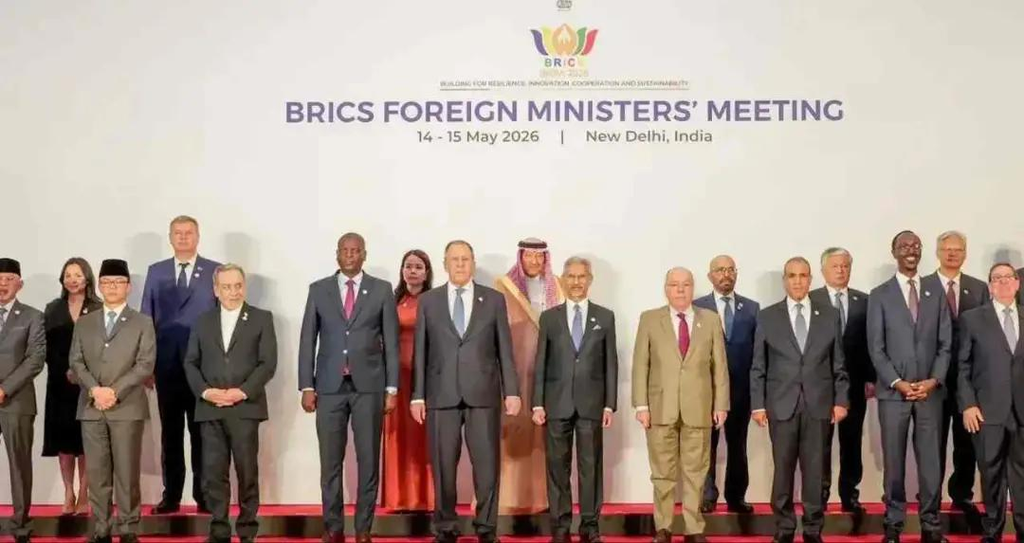
The 2026 summit showed that BRICS is becoming an increasingly important part of the international diplomatic landscape.
Its future influence will depend on whether members can move beyond statements and develop practical cooperation on issues such as:
- Nuclear risk reduction
- Global conflict prevention
- Energy security
- International trade
- UN reform
- Financial cooperation
- Technology and innovation
- Sustainable development
The challenge will be maintaining unity while representing countries with very different political and economic interests.
Final Thoughts
The BRICS Summit 2026 comes at a critical moment for international relations. Nuclear risks, wars, economic uncertainty and growing geopolitical divisions have created an increasingly complicated global environment.
The New Delhi Declaration’s emphasis on restraint, diplomacy and international cooperation sends an important message: preventing further escalation may be just as important as addressing the conflicts that already exist.
For India and the wider Global South, the summit also represents a push for greater influence in global decision-making.
Whether BRICS can turn that ambition into concrete results will be one of the most important stories to follow after the New Delhi summit.