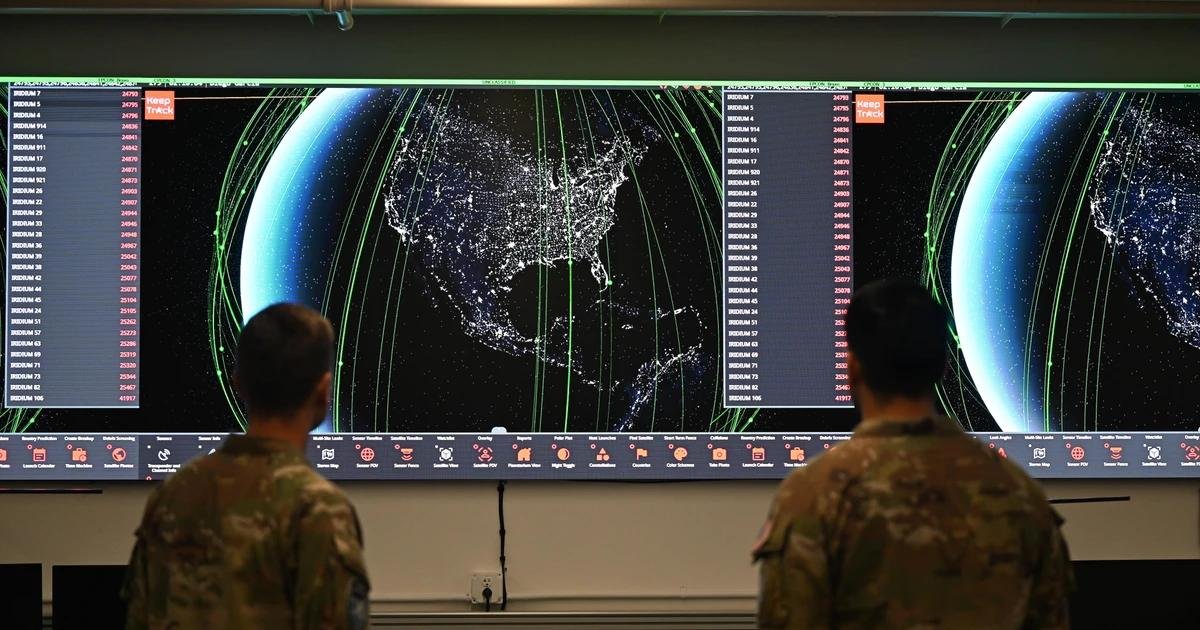
The United States has publicly acknowledged for the first time that it has deployed “space control weapons” in orbit, marking a major shift in how Washington is discussing military capabilities beyond Earth.
The disclosure was made by U.S. Air Force Secretary Troy Meink during the Air & Space Forces Association’s 2026 conference. According to Meink, the U.S. Space Force now has weapons in orbit capable of defending American military forces against hostile actions.
The announcement immediately raises questions about the future of warfare, the growing military importance of space and the possibility of a new space arms race involving the United States, Russia and China.
🌍 What Did the US Actually Confirm?
The most important point is that the United States did not reveal exactly what weapons are currently in orbit.
Meink described them as “on-orbit space control weapons” and said they are intended to help protect U.S. forces against hostile actions.
However, American officials have not publicly disclosed:
- 🚀 The number of weapons in orbit
- 🛰️ The satellites or platforms carrying them
- ⚔️ Their exact capabilities
- 📍 When they were launched
- 🔬 Whether they have been tested in combat conditions
The U.S. Space Force has also declined to provide specific technical details about the systems.
That means the announcement is significant, but many details remain classified.
🛰️ What Are “Space Control Weapons”?
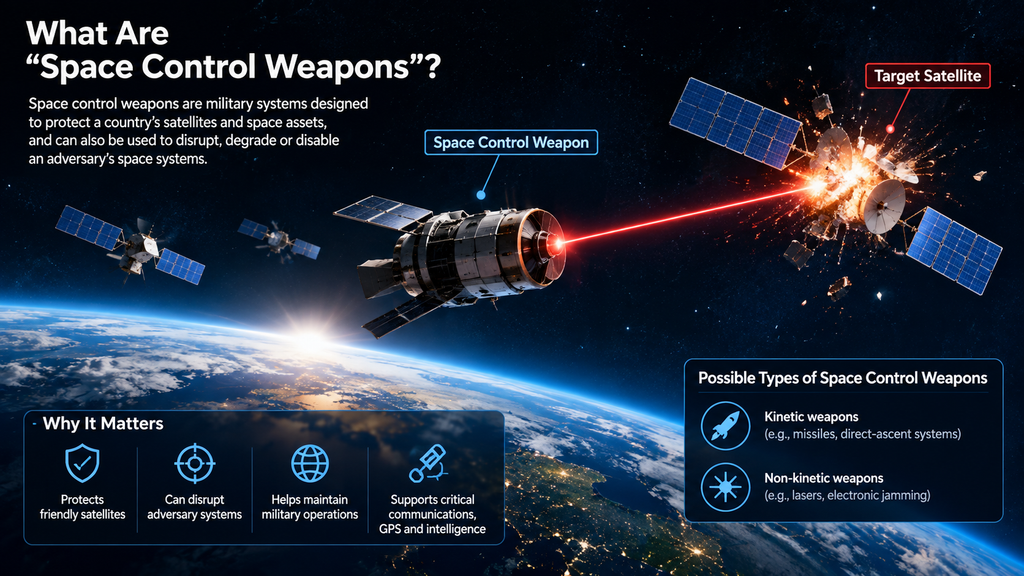
The term space control is broader than simply saying “weapons in space.”
According to reporting on the Space Force’s mission, space control can involve capabilities designed to protect friendly satellites and potentially disrupt, degrade or otherwise affect an adversary’s space systems.
These capabilities could theoretically include kinetic and non-kinetic systems, although the U.S. government has not confirmed which specific technologies are deployed in orbit.
In simple terms, the goal is to make sure the United States can continue using critical satellites even if an adversary tries to interfere with them.
⚔️ Why Is This Announcement Important?
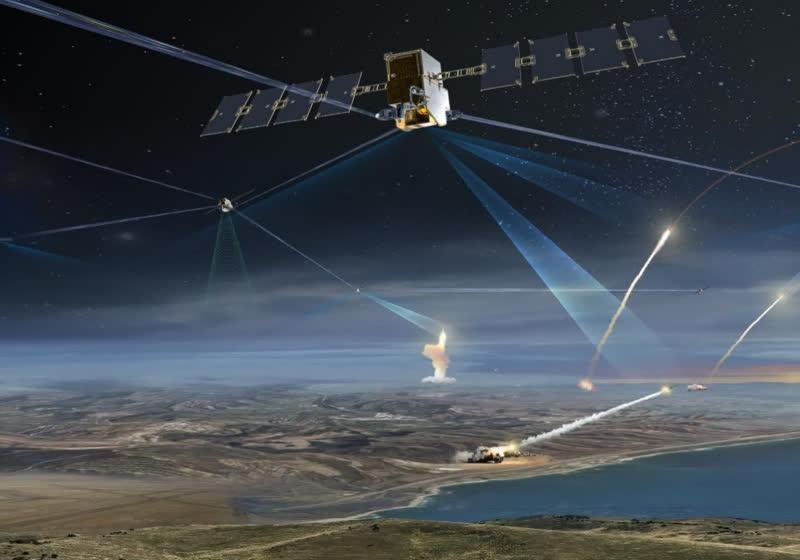
Modern militaries depend heavily on satellites.
Satellites support:
- GPS and navigation
- Military communications
- Intelligence and surveillance
- Missile warning systems
- Weather monitoring
- Precision military operations
- Global communications
If these systems are disrupted during a major conflict, military operations could be severely affected.
That is why Washington considers maintaining access to space increasingly important for both military and economic security. Meink said the U.S. needs to maintain its ability to operate in space as adversaries develop capabilities that could threaten American systems.🇺🇸🇷🇺🇨🇳 A New Space Arms Race?
The announcement comes as competition between the United States, Russia and China increasingly extends beyond Earth.
Washington has repeatedly raised concerns about the development of anti-satellite and other counter-space capabilities by rival powers.
Russia and China have also demonstrated increasingly sophisticated space operations, including technologies that could potentially threaten satellites.
The U.S. Space Force has therefore been moving toward treating space as a potential warfighting domain rather than simply a communications and exploration environment.
The latest disclosure could further intensify concerns that major powers are entering a new era of military competition in orbit.
🌎 Could This Affect Global Security?
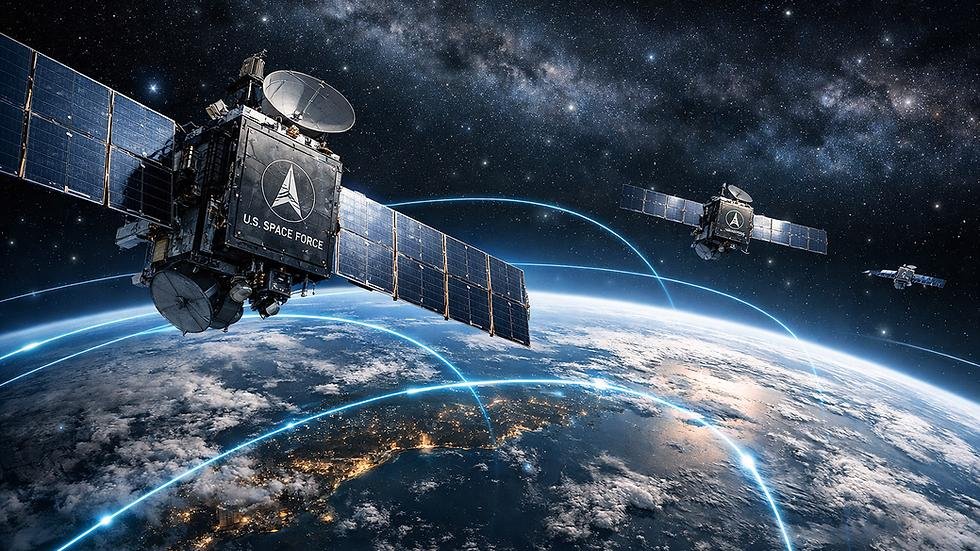
This is perhaps the biggest question following the announcement.
If major powers begin deploying more offensive and defensive systems in orbit, space could become another major area of strategic competition.
A conflict involving space-based systems could potentially affect much more than military satellites.
Civilian life also depends heavily on space infrastructure.
For example, disruptions to satellites could affect:
GPS → Communications → Navigation → Financial systems → Transportation → Emergency services
That makes space security increasingly important for countries around the world.
☢️ Does This Mean the US Has Nuclear Weapons in Space?
No.
The latest announcement does not mean that the United States has nuclear weapons deployed in orbit.
The U.S. Space Force has confirmed the existence of “space control weapons,” but officials have not publicly identified their exact payloads or technical characteristics.
The 1967 Outer Space Treaty prohibits placing nuclear weapons and other weapons of mass destruction in orbit. Conventional military systems are a different legal category.
So it is important not to describe the latest announcement as confirmation of nuclear weapons in space.
🔐 Why Are Details Being Kept Secret?
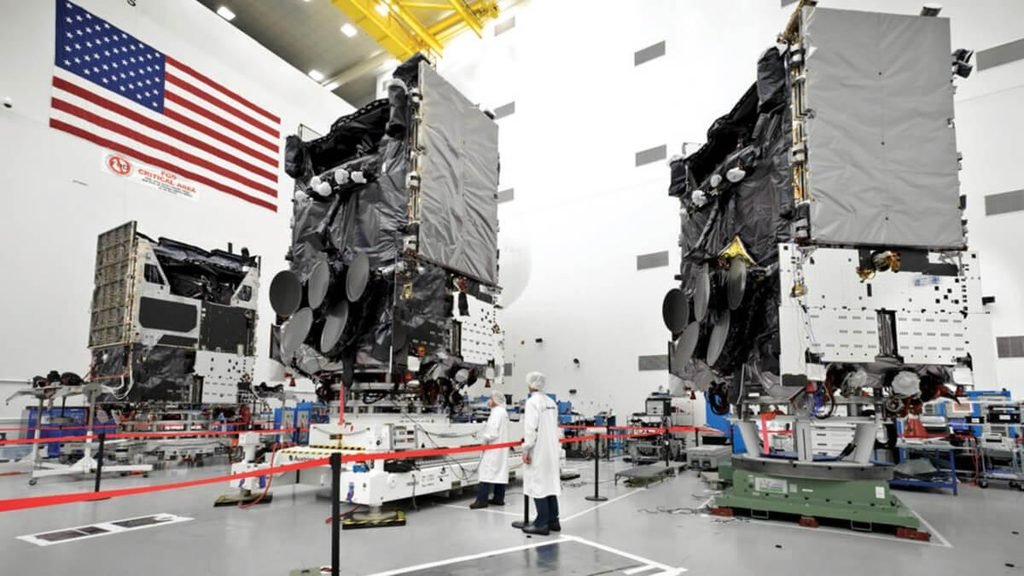
There is a strategic reason for the lack of information.
If the United States publicly revealed exactly how its orbital weapons work, potential adversaries could potentially develop ways to counter them.
Meink declined to discuss the type of weapons, their capabilities or operational details.
The Space Force has similarly indicated that revealing specific methods or payload characteristics could compromise the systems’ effectiveness.
In other words, the lack of details is itself part of the strategy.
🚀 What Could Happen Next?
The latest disclosure could lead to several developments.
1. More transparency from the US
Washington may gradually reveal more about its space-control strategy while still keeping sensitive technical details classified.
2. Russia and China may respond
The announcement could encourage America’s major rivals to further develop their own counter-space capabilities.
3. Space militarisation could accelerate
More countries may begin investing in technologies designed to protect their satellites or interfere with enemy systems.
4. International pressure could increase
The growing military use of space could renew debates about international rules governing weapons and military operations in orbit.
🌐 What Could This Mean for Global Security?
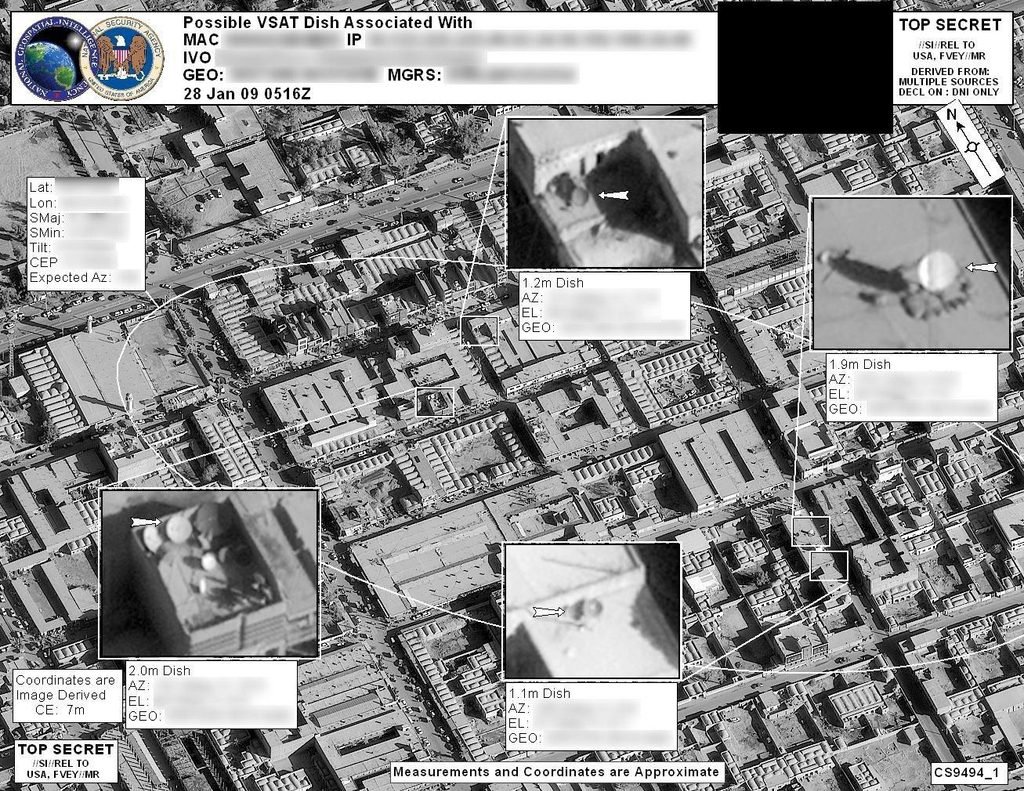
The U.S. confirmation represents more than another weapons announcement.
It signals that space is becoming an increasingly important part of national security and military planning.
For decades, satellites have supported everything from communications and navigation to intelligence and missile warning. As those systems become potential targets, countries are increasingly looking for ways to protect them.
But the same capabilities that can be used for defence could also contribute to a wider arms competition.
If the United States, Russia and China continue expanding their military capabilities in space, the next major security competition may not be limited to land, sea or air.
It could increasingly take place in orbit.