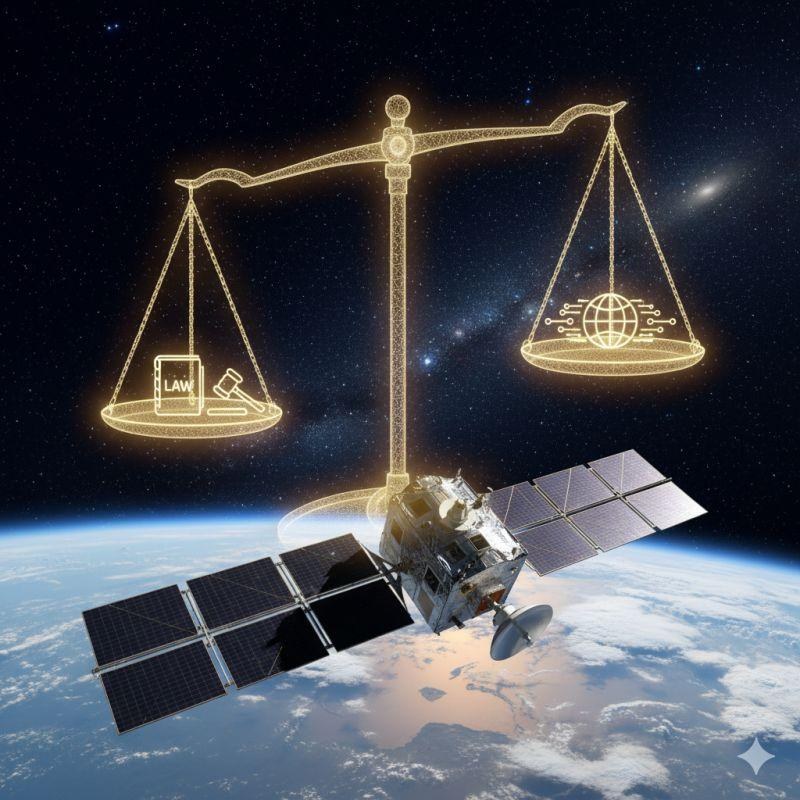
Outer space was once viewed primarily as a domain for exploration, communication and scientific discovery. Today, it is increasingly becoming an important arena for military competition.
The issue has gained fresh attention after U.S. officials publicly acknowledged that the United States has deployed on-orbit space-control weapons. U.S. Space Force leadership has described these capabilities as defensive systems intended to protect military forces from space-enabled attacks, although officials have not publicly detailed the specific systems involved.
The development has renewed a difficult question: Do the space laws created during the Cold War adequately address modern military technology in orbit?
Why Space Weapons Are Becoming a Major Concern
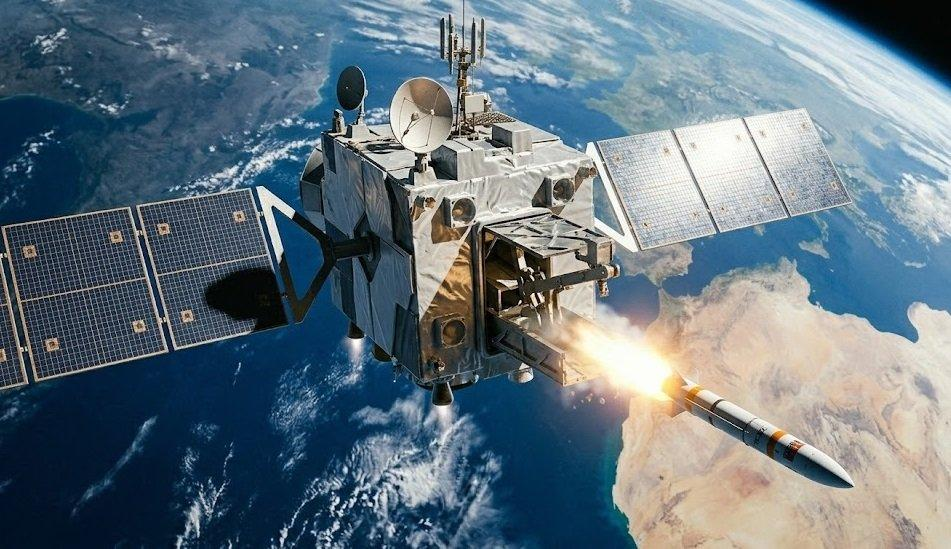
Modern militaries depend heavily on satellites. Communication, navigation, intelligence, missile-warning systems and other military operations can rely on space infrastructure.
That dependence has created another strategic vulnerability. Disabling or interfering with an adversary’s satellites could potentially affect military operations without a conventional attack on the ground.
Counter-space capabilities can include technologies designed to disrupt, disable or interfere with satellites. Some systems can operate without physically destroying their targets, including electronic or cyber capabilities. The International Committee of the Red Cross notes that international humanitarian law can apply to both kinetic and non-kinetic military operations involving space objects.
What Does the Outer Space Treaty Actually Ban?
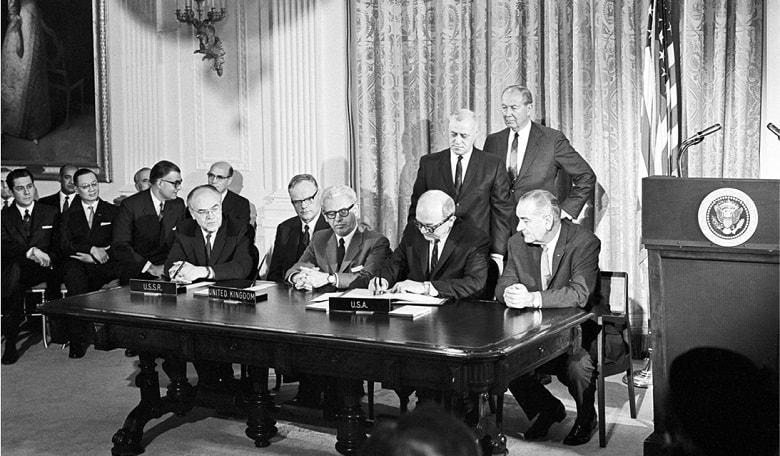
The 1967 Outer Space Treaty remains the foundation of international space law.
Importantly, the treaty does not create a blanket prohibition on every type of weapon in outer space.
Article IV prohibits states from placing nuclear weapons or other weapons of mass destruction in orbit around Earth, installing them on celestial bodies, or stationing them in outer space. It also requires the Moon and other celestial bodies to be used exclusively for peaceful purposes and prohibits military bases, weapons testing and military manoeuvres there.
That distinction has become increasingly important.
Conventional weapons and various counter-space technologies are not expressly covered by the same blanket prohibition. This legal gap has become one of the central issues in the current international debate.
The Dangerous Legal Gray Area
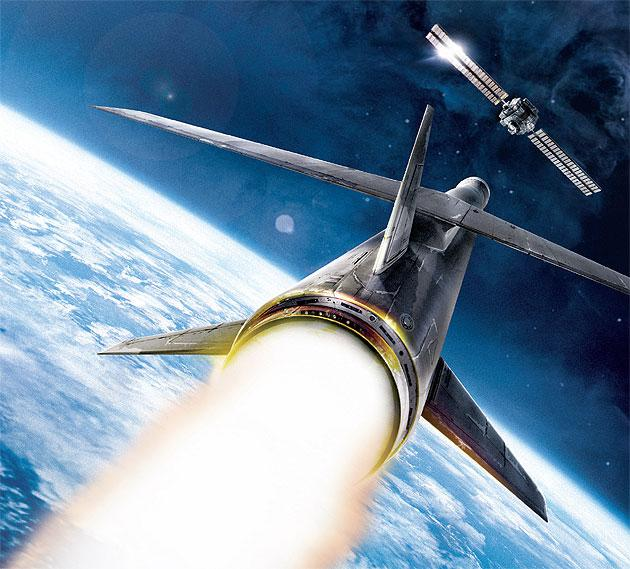
The technology used in space has changed dramatically since the Outer Space Treaty was negotiated in the 1960s.
Today, military capabilities can involve satellites, electronic warfare, cyber operations and other technologies that were difficult to anticipate when the treaty was written.
This creates a complicated legal question: when does a military system become a prohibited weapon, and when is it considered a defensive capability?
The answer can depend on the technology, its intended use, the circumstances of an operation and other applicable international-law obligations.
The International Committee of the Red Cross has emphasized that military operations in outer space remain constrained by international humanitarian law during armed conflict, including rules concerning civilian objects, proportionality and the foreseeable effects of attacks.
The United States, Russia and China Face a New Space Challenge
The debate is not limited to Washington.
Russia has called for a legally binding agreement to prevent an arms race in outer space following the U.S. acknowledgment of orbital weapons. Russian officials argue that stronger international rules are needed to prevent further escalation.
China has also criticized the weaponization of outer space and has called for maintaining space as a peaceful domain.
At the same time, the United States has pointed to the development of counter-space capabilities by other major powers as part of the security environment in which its own defensive capabilities are being developed. U.S. officials have framed the objective as deterrence and protection rather than initiating conflict.
These competing positions illustrate why reaching new international rules could be difficult.
Could Space Become a New Battlefield?
The possibility of conflict extending into space has become a serious subject for military planners.
Satellites support both military and civilian activities, meaning an attack on a space system could have consequences far beyond the immediate military target.
The United Nations has warned that growing activity in outer space increases the potential for conflict and has highlighted the need for international rules that preserve the peaceful use of space.
Another major concern is space debris.
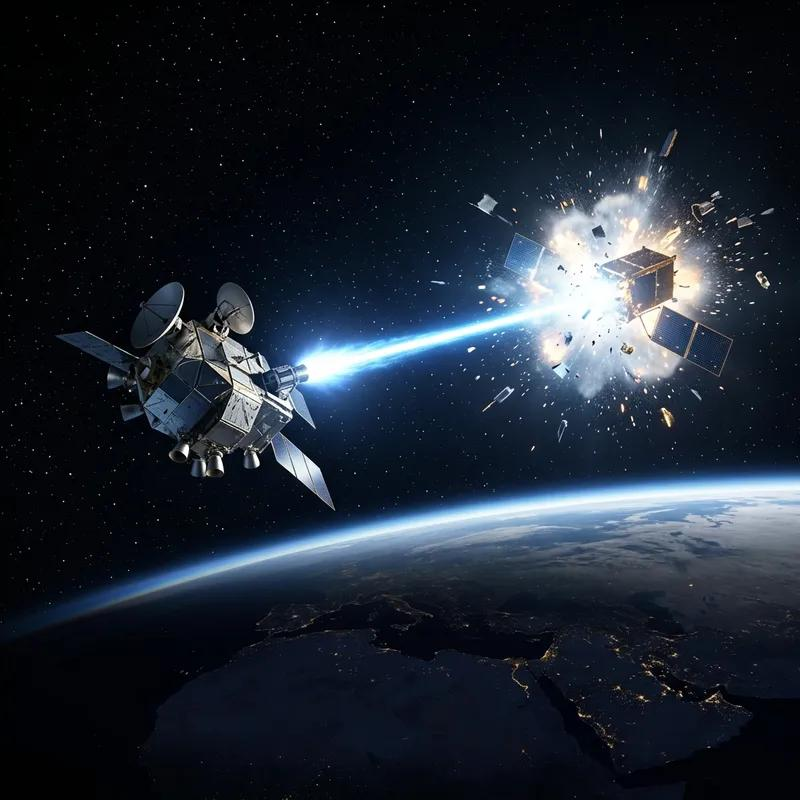
Destroying a satellite can create thousands of pieces of debris that remain in orbit. Those fragments can threaten other satellites and spacecraft, potentially creating consequences that extend well beyond the original conflict.
Why the Current Debate Matters
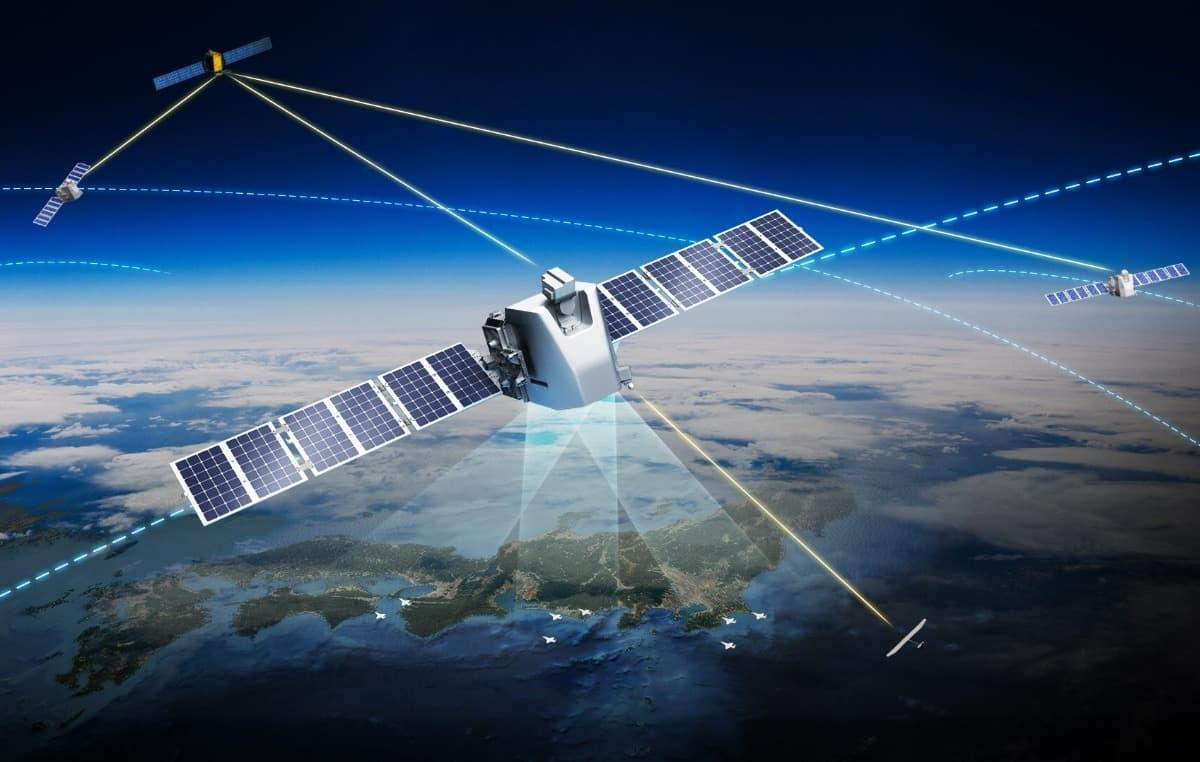
The growing military dependence on satellites means that space security is no longer exclusively an issue for astronauts and space agencies.
Navigation, communications, weather monitoring, financial systems and numerous civilian services depend on space infrastructure.
A major conflict involving satellites could therefore create consequences on Earth as well as in orbit.
The legal challenge is keeping international rules relevant while technology develops rapidly. The 1967 treaty established important principles, but governments and international organizations continue to debate whether additional legally binding rules are necessary to address modern counter-space capabilities.
What Could Happen Next?
The renewed debate could increase pressure for clearer international rules governing military activities in orbit.
Possible areas of discussion include:
- Greater transparency about military space capabilities
- Rules governing anti-satellite activities
- Measures to reduce the creation of orbital debris
- Restrictions on particularly destabilizing weapons
- Better communication between major space powers
- New agreements addressing technologies not clearly covered by existing treaties
However, reaching international agreement could be difficult because countries have different assessments of security threats and different positions on what should be prohibited.
Space Warfare Is No Longer Just Science Fiction
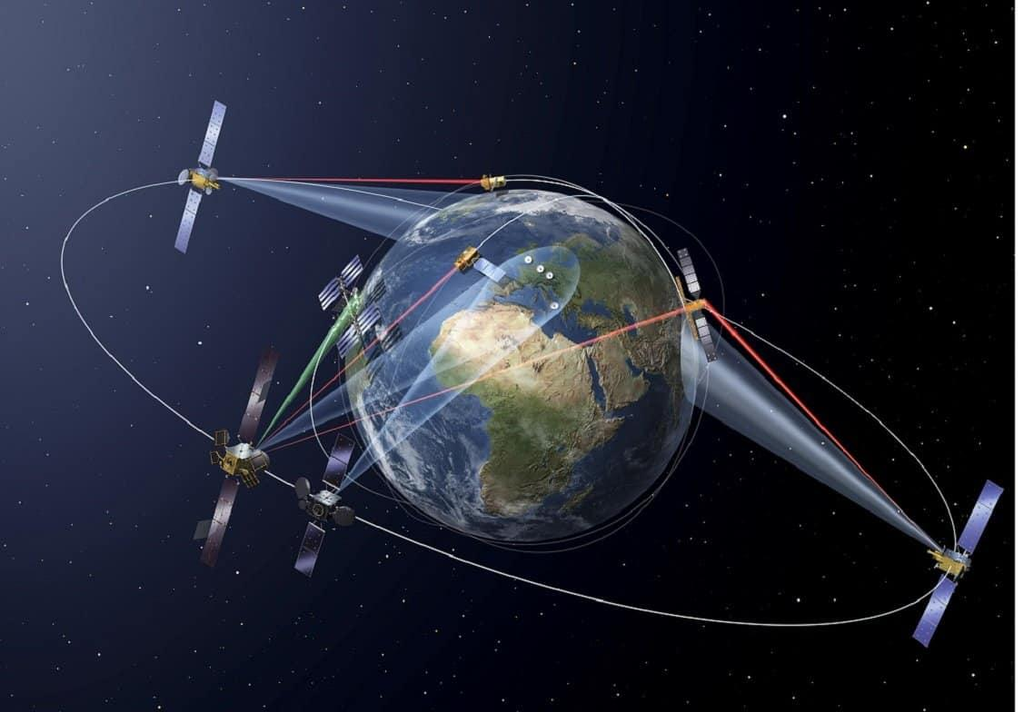
The latest developments demonstrate how quickly the strategic importance of outer space is changing.
The Outer Space Treaty remains a crucial foundation, but its provisions were negotiated almost 60 years ago. Modern military technology has created capabilities and scenarios that were not clearly contemplated when the treaty was drafted.
The central challenge now is finding a balance between national security, technological development and the long-standing goal of keeping outer space from becoming an arena for escalating conflict.
As more nations develop advanced space capabilities, the debate over space weapons in orbit is likely to become one of the most important international security and legal questions of the coming years.