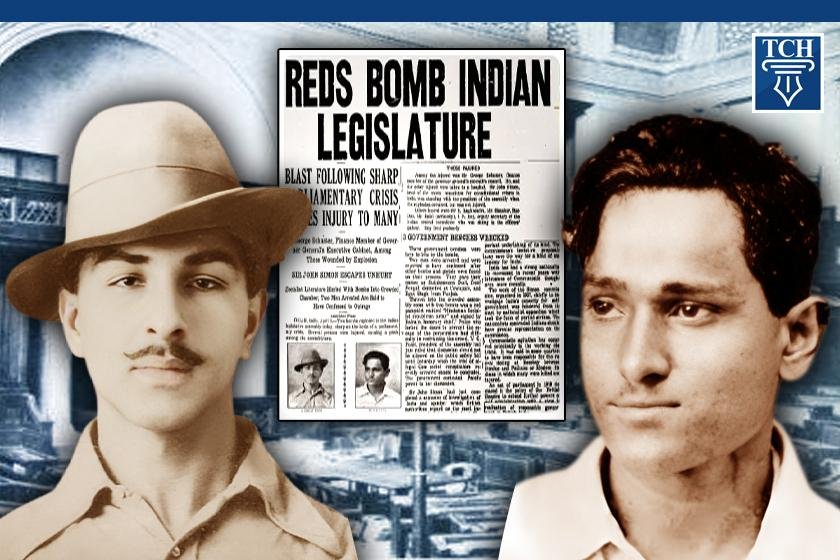
Bhagat Singh Jayanti 2026 is being observed across India as people remember one of the most prominent young revolutionaries associated with the country’s freedom struggle. Born on September 28, 1907, Bhagat Singh’s life, writings and revolutionary activities continue to be discussed generations after his death.
His 119th birth anniversary falls on September 28, 2026, bringing renewed attention to his early life, political ideas, role in the freedom movement and enduring place in Indian history.
Bhagat Singh’s Birth and Early Life
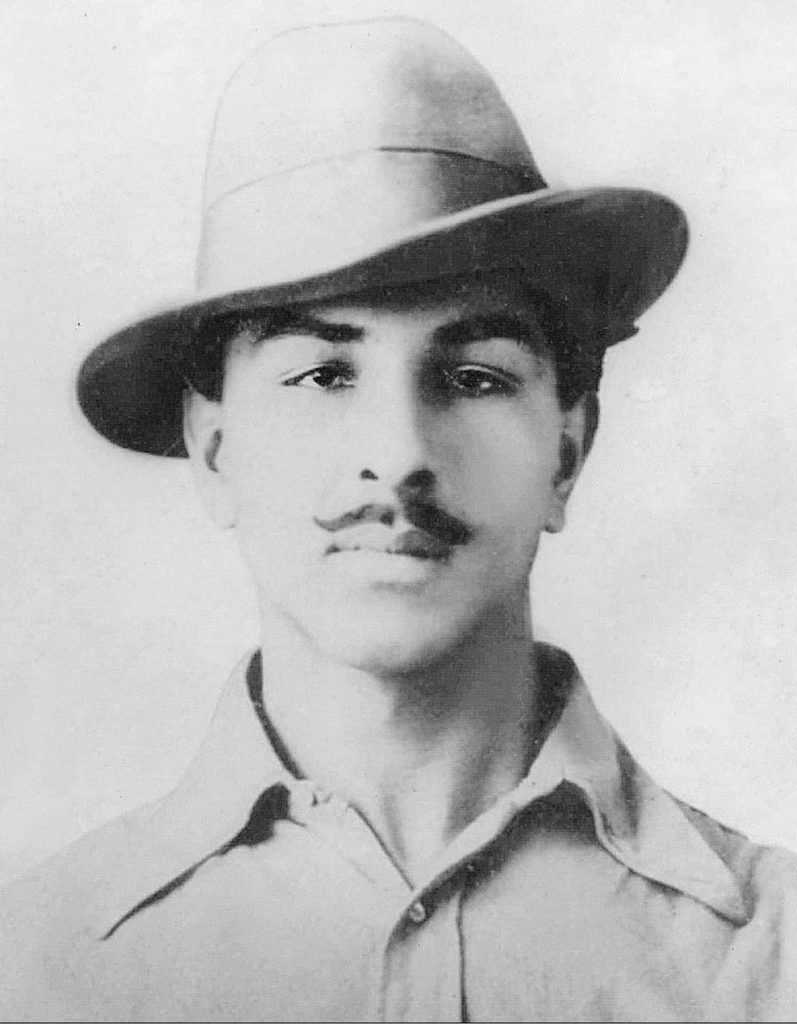
Bhagat Singh was born on September 28, 1907, in Banga village in the Lyallpur district of Punjab, then part of British India and now located in Pakistan. The Government of India’s Digital District Repository identifies his birthplace as 105 Chak Banga in Jaranwala tehsil of present-day Faisalabad district.
He was born into a family with connections to the freedom movement. His father, Kishan Singh, and other members of his family were associated with nationalist activities, exposing Bhagat Singh to political discussions from an early age.
That environment played an important role in shaping his interest in India’s struggle against British colonial rule.
How Bhagat Singh Became a Revolutionary
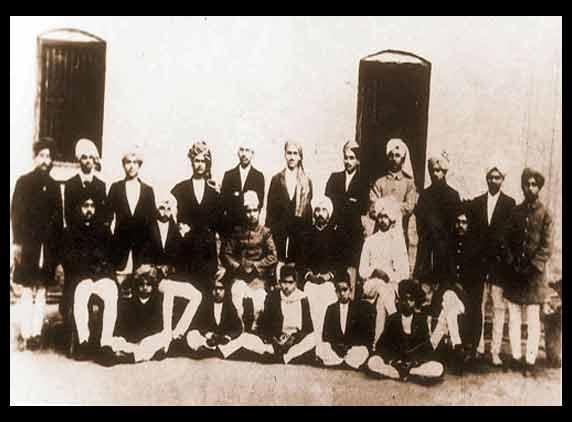
Bhagat Singh developed a strong interest in India’s political situation while he was still young. His experiences, reading and exposure to the freedom movement influenced his decision to become actively involved in revolutionary politics.
He became associated with organisations including the Naujawan Bharat Sabha and later the Hindustan Socialist Republican Association (HSRA). His political thinking also expanded beyond independence, with his writings addressing subjects such as socialism, equality and social change.
Bhagat Singh and the Central Legislative Assembly
One of the most widely remembered episodes of Bhagat Singh’s revolutionary career occurred on April 8, 1929, when he and Batukeshwar Dutt threw bombs inside the Central Legislative Assembly in Delhi.
Historical accounts note that the action was intended as a political protest rather than an attempt to cause mass casualties. Bhagat Singh and Dutt remained at the scene and were arrested, subsequently using the courtroom to communicate their political ideas.
The episode turned Bhagat Singh into an even more prominent figure in the independence movement.
His Writings and Political Ideas
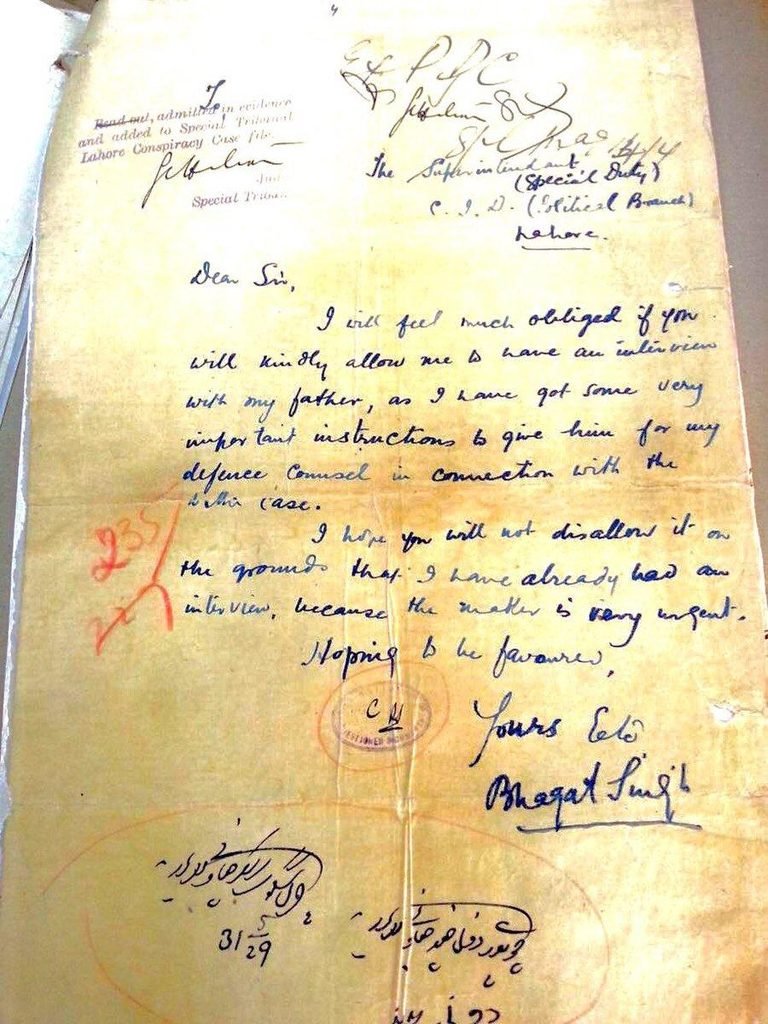
Bhagat Singh was not only involved in revolutionary activities; he was also a prolific reader and writer.
His writings reflected his interest in politics, socialism, religion, equality and the future of Indian society. His essay Why I Am an Atheist is among his best-known writings and continues to be studied and discussed.
His political thought evolved during his short life, making his historical legacy broader than the events surrounding his imprisonment and execution.
The Final Chapter of Bhagat Singh’s Life
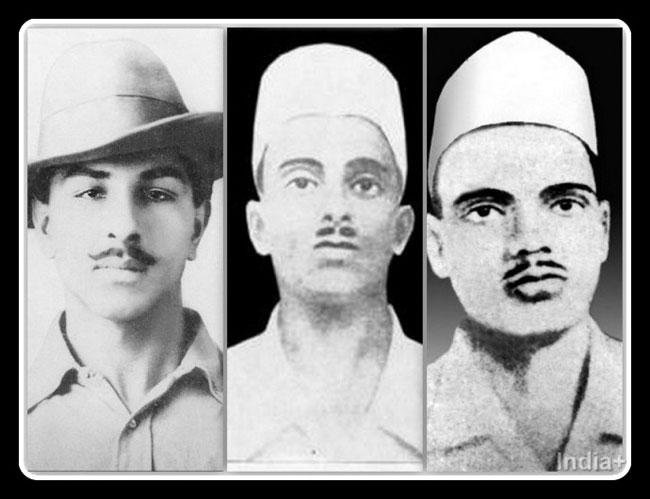
Bhagat Singh, along with Shivaram Rajguru and Sukhdev Thapar, was executed at Lahore Central Jail on March 23, 1931. He was only 23 years old.
His death turned him into a lasting symbol within India’s freedom movement, while his writings and political ideas continued to influence how later generations understood his life.
Why Bhagat Singh Jayanti Remains Important
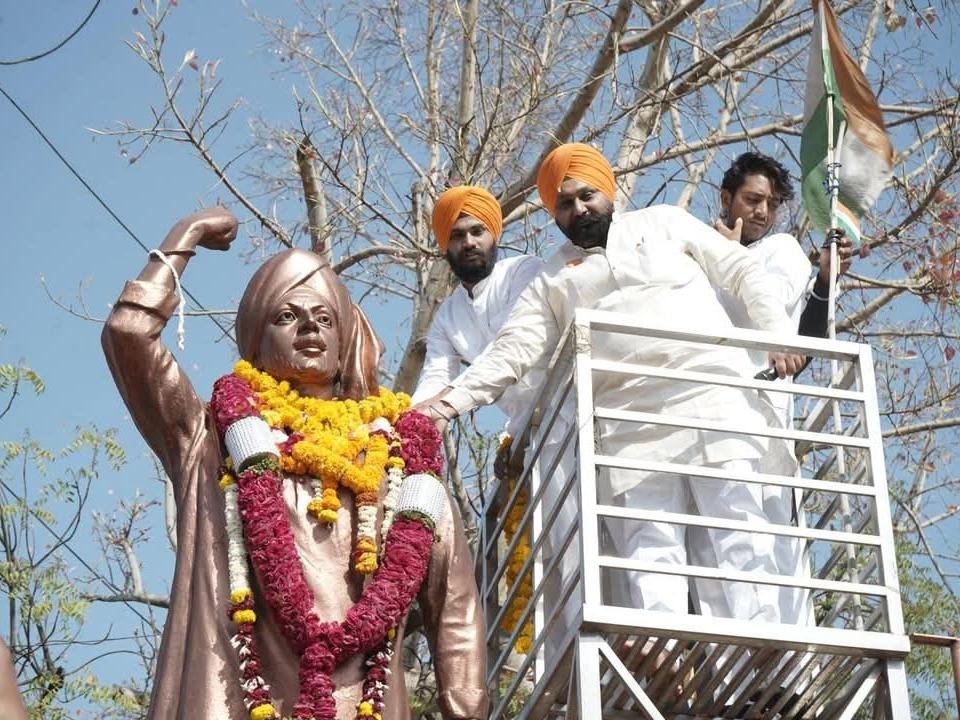
Bhagat Singh Jayanti provides an opportunity to learn about the young revolutionary’s life and the historical circumstances in which he operated.
His story also highlights the diversity of India’s freedom struggle, which included different political organisations, strategies and ideological approaches.
On his 119th birth anniversary, tributes have been paid across India. Prime Minister Narendra Modi also paid tribute to Bhagat Singh, describing his courage and sacrifice as an enduring symbol of determination among India’s youth.
Bhagat Singh’s Legacy Lives On
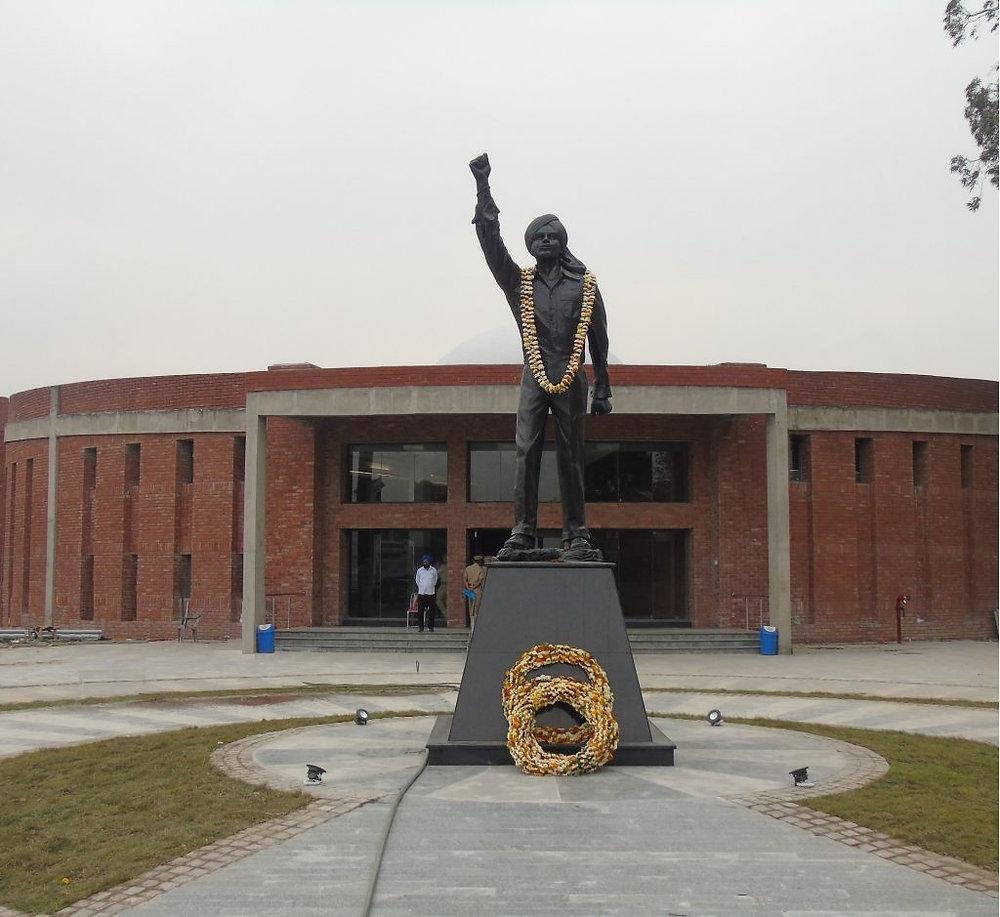
More than nine decades after his execution, Bhagat Singh remains one of the most recognisable figures connected with India’s independence movement.
His birthplace and sites associated with his life continue to receive historical attention. In 2026, reports also highlighted plans in Pakistan to develop a memorial connected with his birthplace, reflecting continuing interest in preserving locations associated with his history.
Bhagat Singh’s life was remarkably short, but his contribution to India’s revolutionary movement, his political writings and the circumstances surrounding his death have ensured that his name remains deeply embedded in the history of the subcontinent.
As India remembers Bhagat Singh Jayanti 2026, his 119th birth anniversary serves as a reminder to explore not only the iconic image of the revolutionary, but also the ideas, writings and historical events that shaped his extraordinary journey.