Houthis vs Saudi The conflict in Yemen has entered a dangerous new phase, with Houthi forces making major gains along the Red Sea coast and increasing pressure on Saudi Arabia and one of the world’s most important shipping routes.
The long-running conflict between Yemen’s Houthi movement and Saudi Arabia has taken a sharp turn in September 2026. Houthi forces have advanced along Yemen’s western coastline, captured the strategic port of Mocha, and moved toward the Bab el-Mandeb Strait, creating new risks for regional security, global shipping and energy markets.
Why the Red Sea Matters
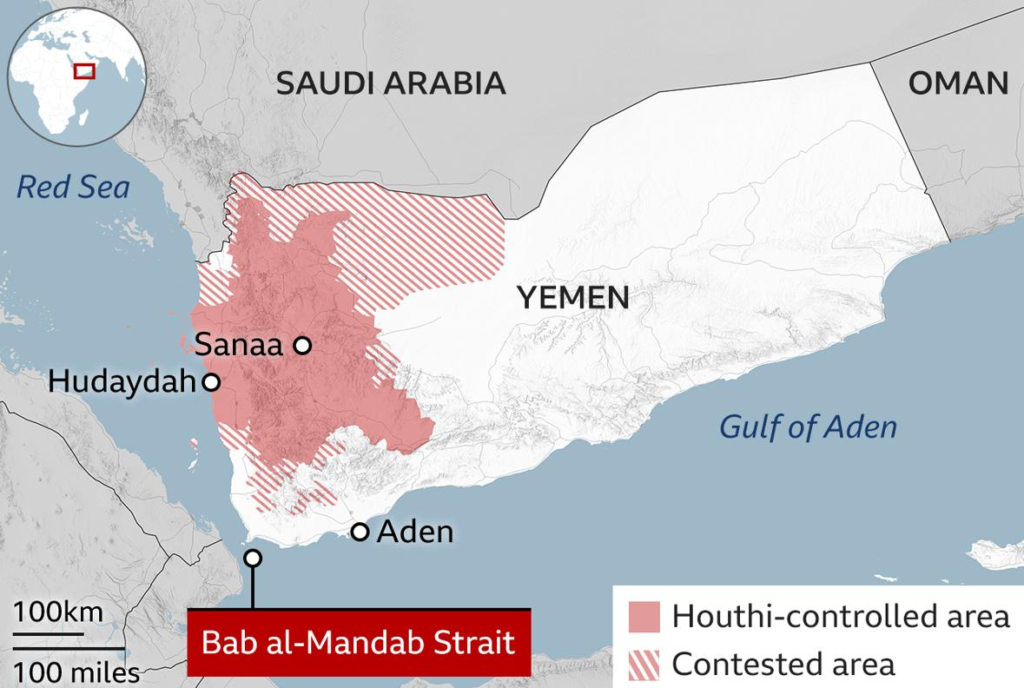
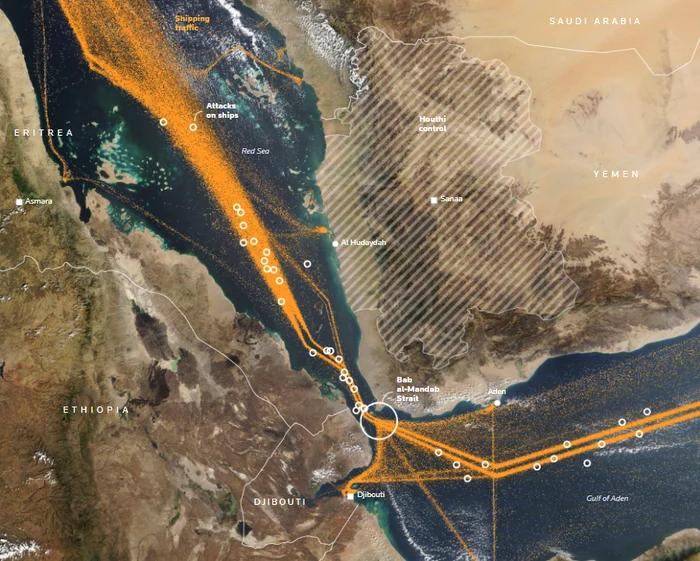
The Red Sea is far more than a regional waterway. It connects the Indian Ocean with the Mediterranean through the Gulf of Aden and Suez Canal, making it an important route for international trade and energy shipments.
At the southern entrance sits the Bab el-Mandeb Strait, a narrow maritime chokepoint between Yemen and the Horn of Africa. Recent Houthi advances have brought the group closer to exercising significant influence over this strategically important passage.
Any prolonged disruption could force commercial vessels to take longer alternative routes, increasing transportation costs, delivery times and pressure on energy markets.
How the Houthis Became a Major Regional Force
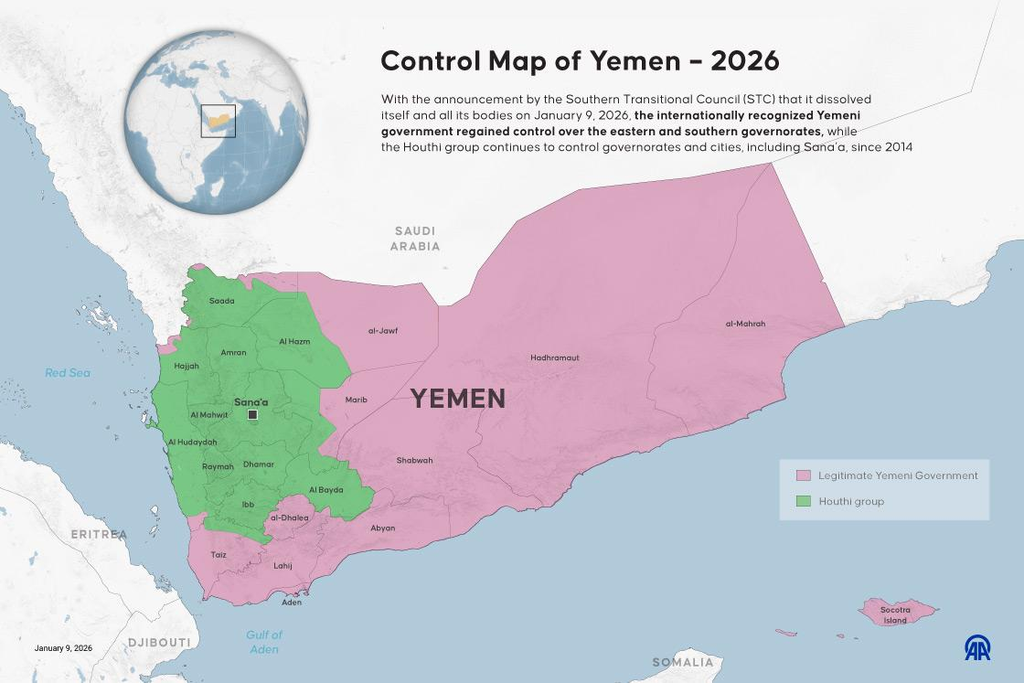
The Houthis emerged as a powerful political and military movement during Yemen’s civil war. They seized control of Sanaa in 2014 and have maintained control over large parts of northern Yemen.
Saudi Arabia intervened militarily in 2015 in support of Yemen’s internationally recognized government and to counter growing Iranian influence along its southern border. A UN-backed truce in 2022 significantly reduced large-scale fighting, but the underlying conflict was never permanently resolved.
Iranian support has also helped the Houthis develop greater missile and drone capabilities, although Tehran has denied directly controlling their military operations.
The Capture of Mocha Changes the Equation
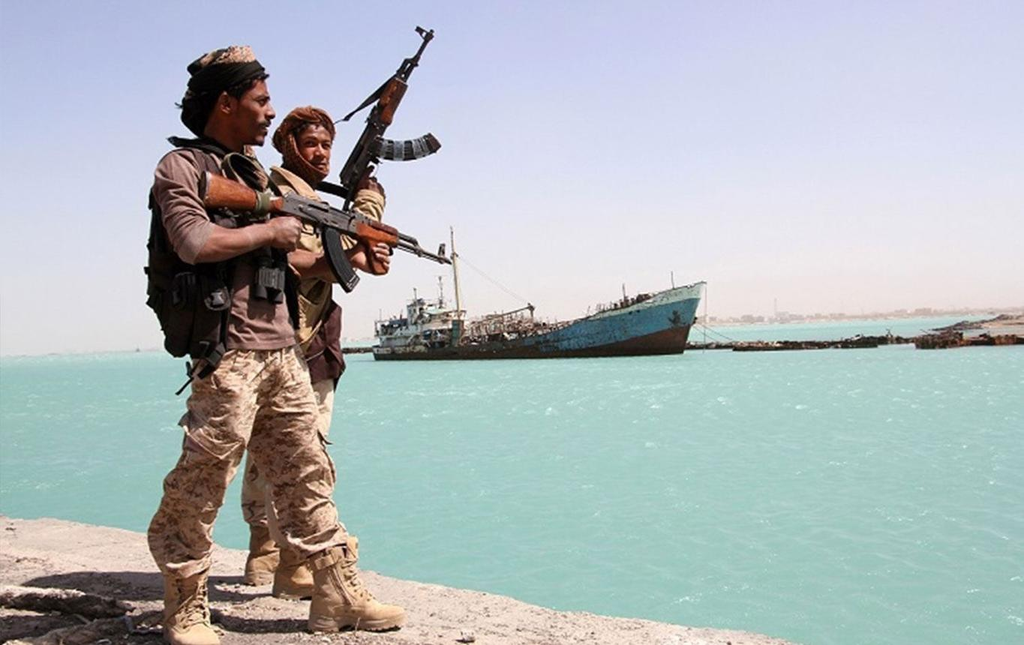
The Houthi capture of Mocha, a historic Red Sea port, represents one of the most significant recent developments in the conflict.
The move gives the Houthis greater control over Yemen’s western coastline and places their forces closer to the Bab el-Mandeb Strait. Reuters and other reports say the advance has significantly increased concerns about the security of shipping and Saudi Arabia’s ability to move oil through Red Sea routes.
The Houthis have also moved onto Mayun (Perim) Island, located directly in the Bab el-Mandeb, further increasing the strategic importance of their recent gains.
Why Saudi Arabia Is Under Pressure
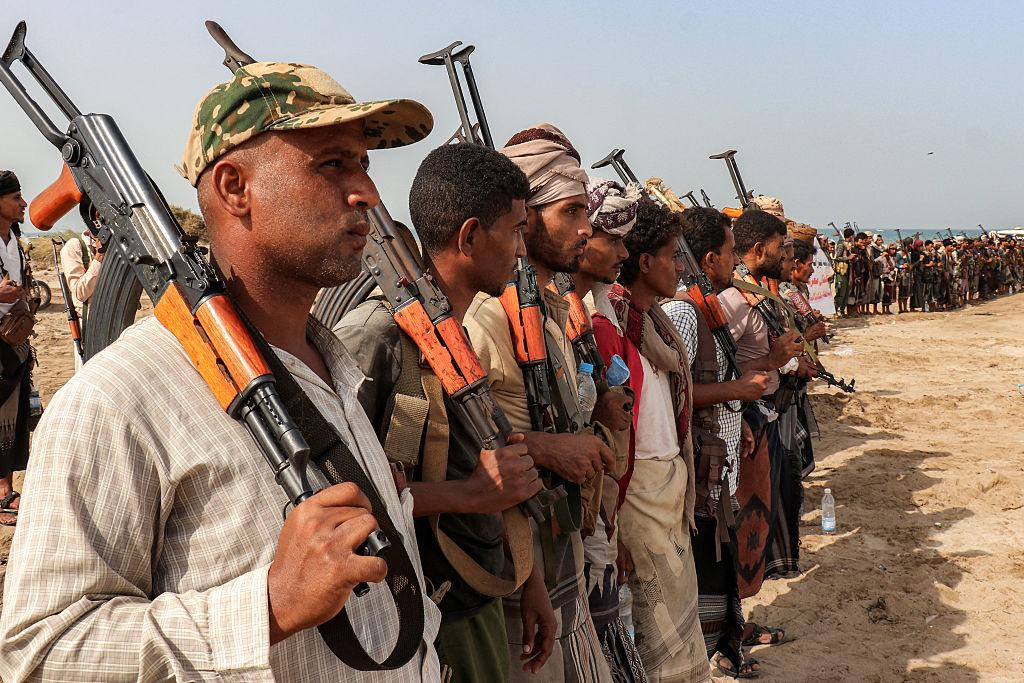
For Saudi Arabia, the developments are particularly serious because the kingdom relies heavily on stable maritime routes to export energy.
The latest Houthi advances come during an already volatile period for regional energy transportation. Saudi Arabia has also taken precautionary measures involving its East-West oil pipeline following attacks, adding to concerns about the kingdom’s export options.
Riyadh now faces a difficult choice: increase military pressure on the Houthis or pursue diplomacy to prevent the conflict from becoming an even wider regional war.
Neither option is straightforward.
Could This Affect Global Oil Prices?
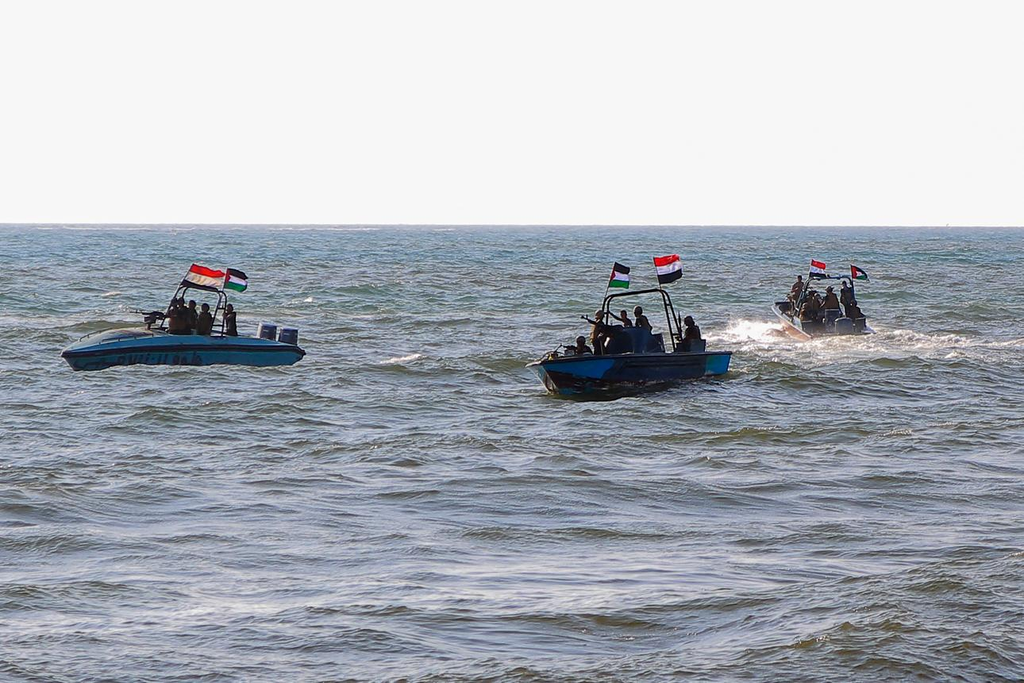
Yes.
The biggest concern is not simply the amount of territory controlled by the Houthis. It is the possibility of sustained disruption around a major international shipping chokepoint.
Recent reporting has already linked the worsening security situation to higher oil prices, with Brent crude moving above $100 per barrel amid wider disruptions affecting Middle Eastern energy routes.
For countries that depend heavily on imported energy, prolonged disruption could eventually translate into higher transportation and fuel costs.
The Human Cost Should Not Be Forgotten
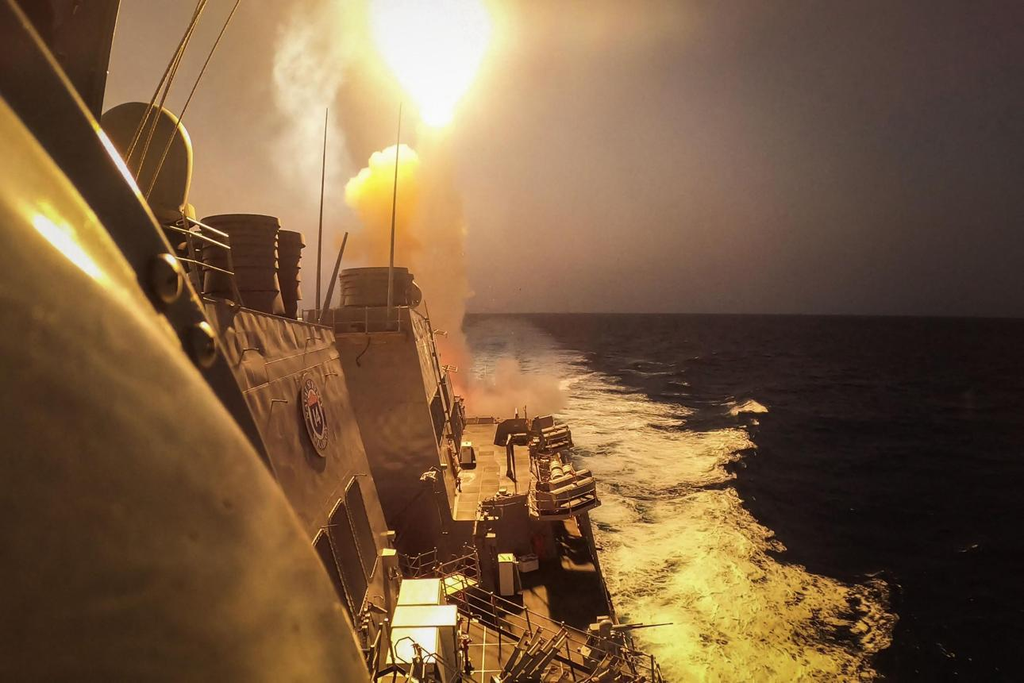
Behind the geopolitical struggle is a severe humanitarian crisis.
Thousands of civilians have reportedly fled areas affected by the latest fighting, while humanitarian organizations warn that renewed large-scale conflict could reverse years of efforts to stabilize Yemen. The recent offensive has already displaced tens of thousands of people.
A wider war would therefore create consequences far beyond military and economic calculations.
What Happens Next?
The biggest question is whether the Houthis can consolidate their recent territorial gains or whether Saudi-backed forces will attempt to push them back.
Three developments will be particularly important to watch:
- Control of the Bab el-Mandeb Strait and surrounding coastal areas.
- Saudi Arabia’s military and diplomatic response.
- Whether international shipping can continue safely through the Red Sea.
The situation remains fluid, and the balance could change quickly.
Final Thoughts
The Houthi-Saudi conflict is no longer only a struggle over territory inside Yemen. The Red Sea has become a central part of a much larger geopolitical contest involving Saudi Arabia, Iran, international shipping and global energy security.
If the Houthis successfully consolidate their new positions along Yemen’s western coast, their strategic importance could increase dramatically. For Saudi Arabia and the international community, the challenge will be preventing control of a critical maritime corridor from turning into a much wider regional confrontation.