Election Commission Row Intensifies Over SIR and Voter Rolls
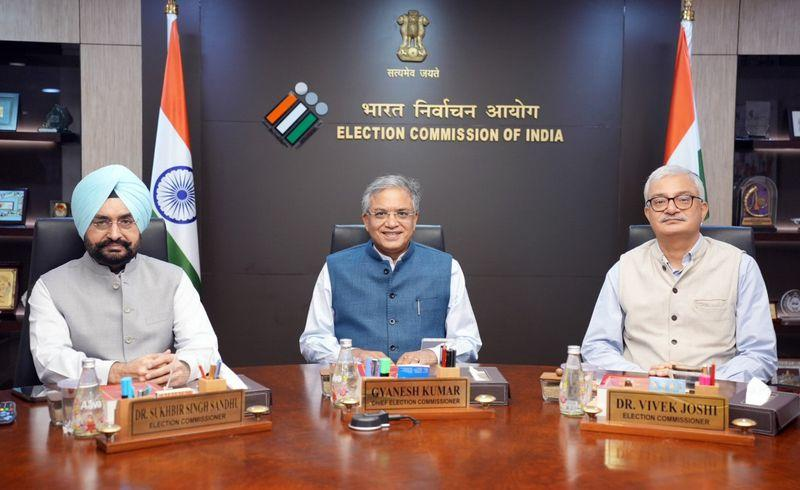
India’s Election Commission is facing a fresh political controversy after a report by The Indian Express detailed repeated objections raised by Election Commissioners Sukhbir Singh Sandhu and Vivek Joshi over decisions concerning electoral-roll management and the nationwide Special Intensive Revision (SIR).
According to the report, the two commissioners recorded objections at least 14 times over a 10-month period, involving issues such as voter registration, deletion and restoration of names, changes to Form 6 and access to electoral-roll databases.
The developments have triggered strong reactions from opposition parties, with Congress leader and Leader of the Opposition in the Lok Sabha Rahul Gandhi demanding the resignation of Chief Election Commissioner Gyanesh Kumar and calling for investigations into Prime Minister Narendra Modi and Union Home Minister Amit Shah. These are political allegations made by Gandhi, not established findings.
What Triggered the Latest Election Commission Controversy?
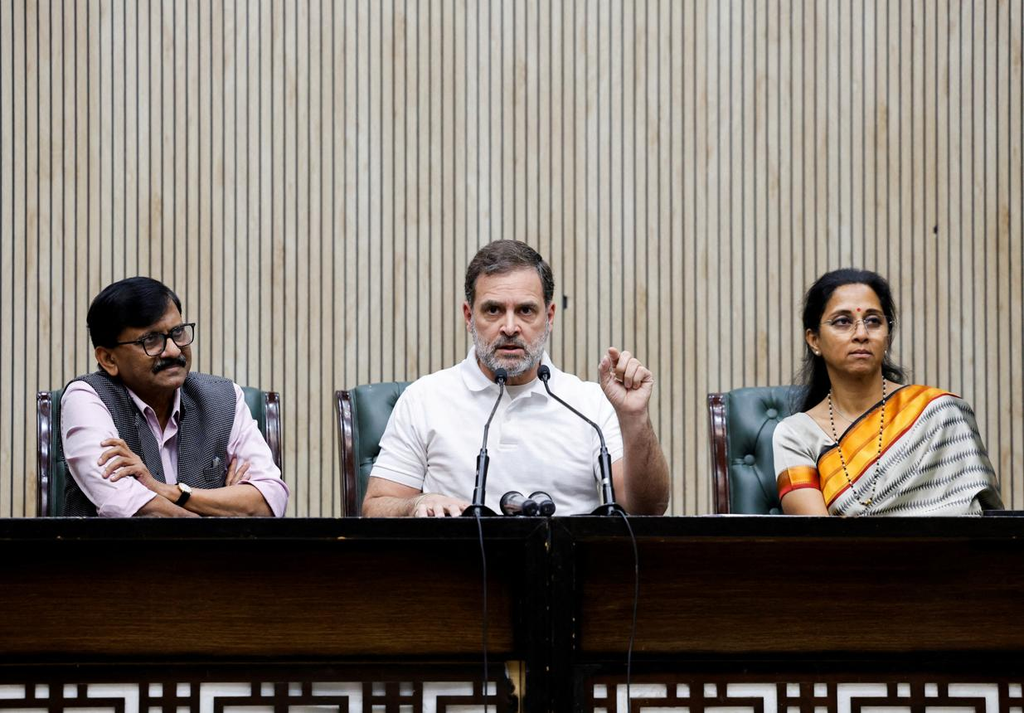
The controversy follows reporting about internal notes and objections recorded by Sandhu and Joshi.
The reported concerns cover several aspects of the SIR process, including changes to voter-registration procedures, the management of electoral-roll databases and decisions involving voter names.
The Indian Express reported that the two commissioners objected to certain steps that they said had been taken without their knowledge or approval. Some of their objections reportedly described particular actions as unauthorised or illegal.
The report has since become a major political issue, with opposition parties questioning the functioning of the poll panel.
Rahul Gandhi Demands Gyanesh Kumar’s Resignation
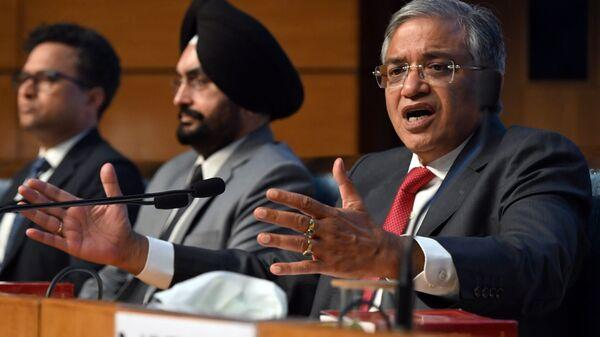
Rahul Gandhi has sharply criticised the Election Commission following the reports.
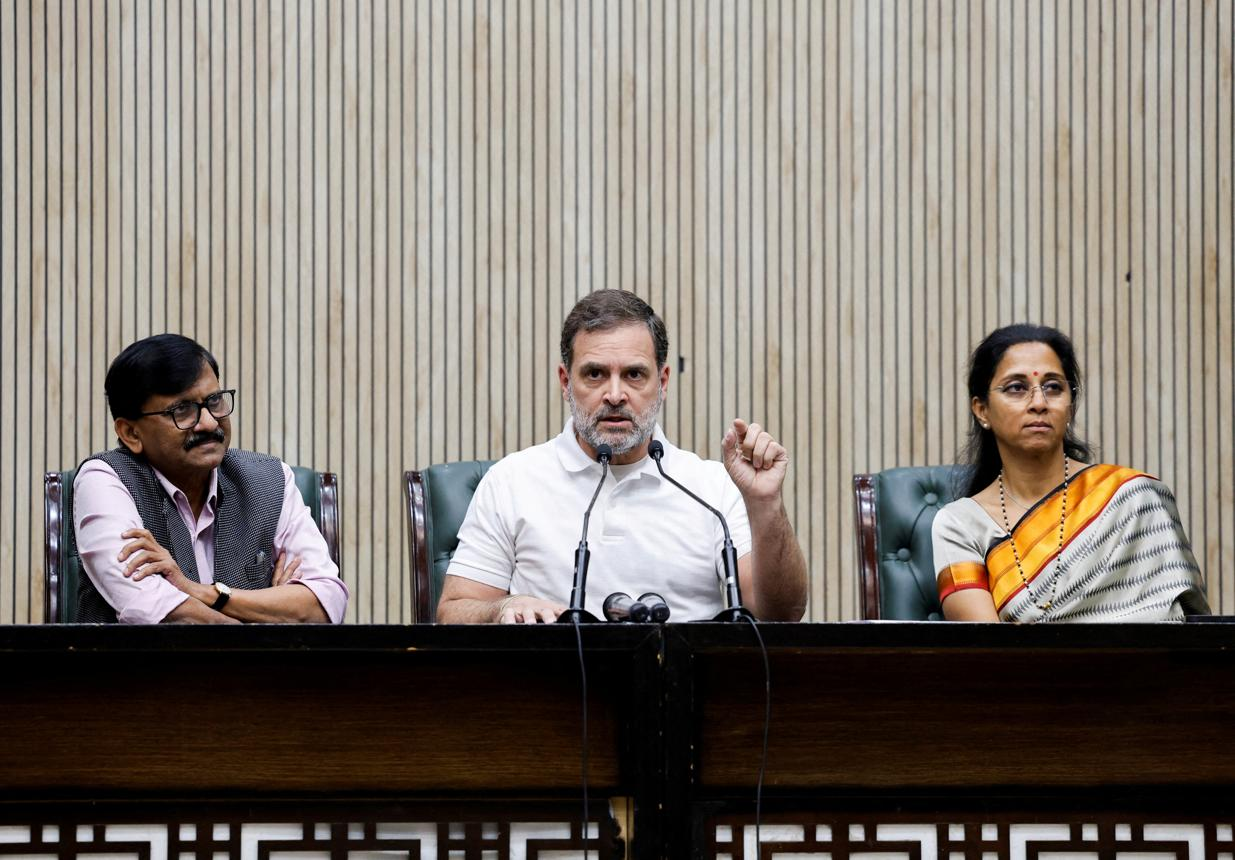
At a press conference on September 24, Gandhi demanded that CEC Gyanesh Kumar resign immediately. He also repeated his allegations concerning what Congress calls “vote chori” and said that Prime Minister Modi and Amit Shah should face investigation.
These statements represent Gandhi and the Congress party’s position. They should not be treated as established findings of wrongdoing.
The political confrontation has consequently shifted attention from individual electoral-roll procedures to broader questions about the independence and functioning of India’s election machinery.
What Did the Two Election Commissioners Object To?
The reported objections involved several important areas.
Changes to Form 6
Form 6 is used by eligible citizens to apply for inclusion in electoral rolls.
According to The Indian Express, Commissioner Vivek Joshi questioned changes to the form, while Sukhbir Singh Sandhu subsequently recorded objections to the modification.
Access to Electoral-Roll Databases
Another issue concerned access to electoral-roll software.
The report said the two commissioners raised concerns about what they described as increasing centralisation of access to voter databases and questioned whether statutory field-level officials retained appropriate access.
Appeals in West Bengal
The report also highlighted questions surrounding appeals involving voters in West Bengal and whether the commissioners had been informed about the authorisation and process behind those appeals.
Software Issues in Goa
The investigation further reported a case involving 97 voters in Goa, where software limitations allegedly prevented election officials from recording decisions restoring their eligibility after they had been found eligible.
These matters form part of the broader debate over how India’s electoral rolls are administered during the SIR process.
Election Commission Rejects Claims of a Final Split
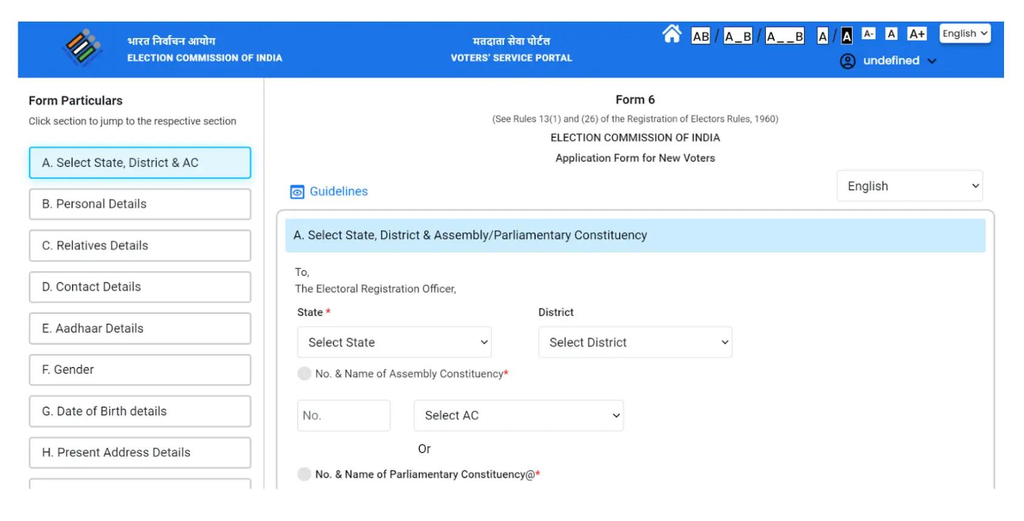
The Election Commission has offered a different interpretation of the reported internal objections.
In its response, the ECI said that differing views, observations and suggestions are a normal part of institutional decision-making. It maintained that final decisions taken by the Commission during the previous year, including those related to electoral-roll revision and SIR, were unanimous.
The Commission also said that focusing on selected internal notes without considering the broader body of decisions and initiatives provides only part of the picture. It maintained that its digital systems operate with security protocols and that Electoral Registration Officers and District Election Officers continue to exercise their statutory powers.
This response is central to understanding the dispute: the reported objections are documented, while the interpretation of what those objections mean for the Commission’s final decisions remains contested.
Why the SIR Process Has Become So Important
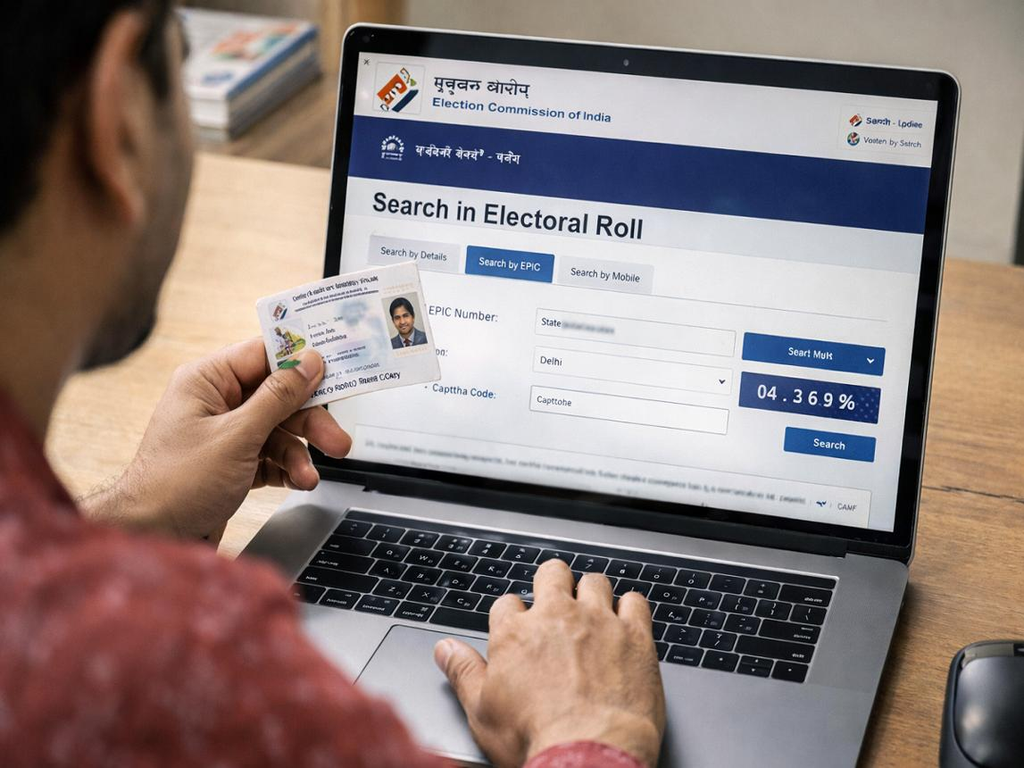
The Special Intensive Revision of electoral rolls has become one of the most closely watched electoral issues in India.
The exercise involves reviewing voter records and updating electoral rolls. According to The Indian Express, the national rollout has involved more than 13 crore names being struck from draft rolls across 30 States and Union Territories, making the process politically and administratively significant.
The debate centres on questions such as:
- How voter names are added or removed
- How citizens can challenge deletions
- Who has access to electoral-roll databases
- How digital systems affect voter-roll administration
- How decisions are coordinated among the three Election Commissioners
Because electoral rolls directly determine who can participate in elections, these administrative questions have significant public importance.
Opposition Steps Up Pressure on the CEC
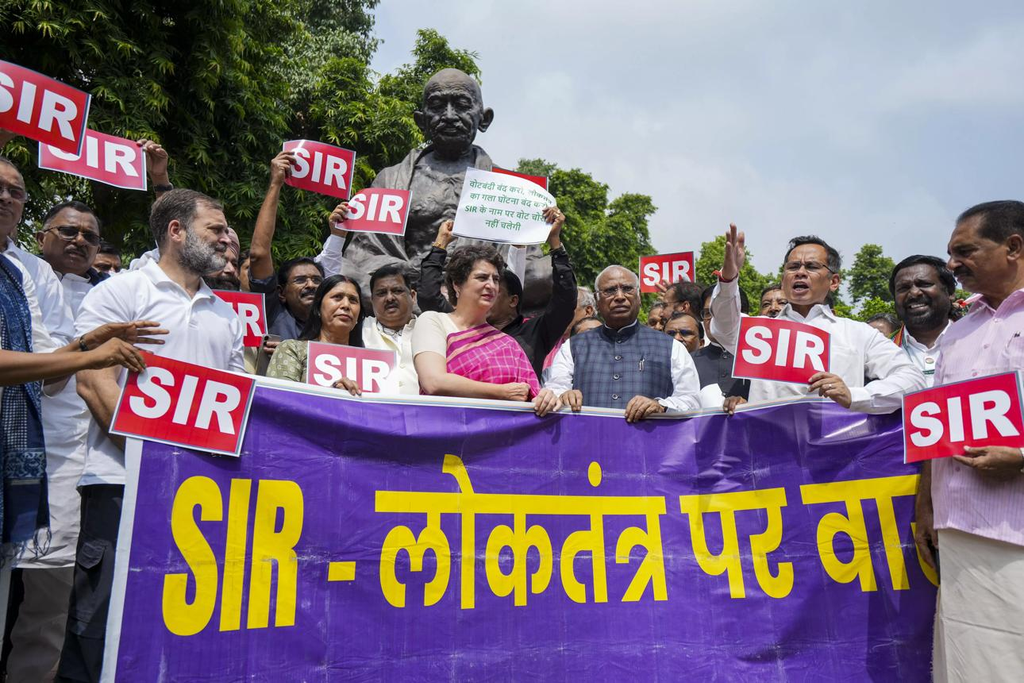
The controversy has brought together several opposition parties in demanding greater scrutiny of the Election Commission.
India Today reported on September 24 that the opposition INDIA bloc was preparing a fresh move seeking the removal of Gyanesh Kumar, including consideration of an impeachment motion in both Houses of Parliament. The report said a draft was being finalised and could be submitted as early as the following week.
Other opposition leaders have also called for investigations, changes to the SIR process or judicial intervention.
At the same time, the BJP has defended the Election Commission, arguing that differences of opinion between commissioners are part of institutional deliberations and do not establish that the poll body has stopped functioning collectively.
What Happens Next?
The controversy is likely to remain focused on three major questions.
1. Will Parliament Take Up the Removal Demand?
The opposition’s proposed move against the CEC could bring the issue into Parliament, where the procedure and required support would determine what happens next.
2. Will the SIR Process Face Further Scrutiny?
The reported objections have intensified questions about electoral-roll revisions, particularly regarding deletions, appeals and access to voter databases.
3. Will More Information From the Election Commission Emerge?
The ECI’s response says final decisions were unanimous, while reports about the internal notes have raised questions about how individual objections were handled before those decisions were reached.
Further clarification from the Commission, Parliament or courts could therefore become important in determining how the dispute develops.
Election Commission Row: What We Know So Far
| Issue | What has been reported |
|---|---|
| Internal objections | Two Election Commissioners reportedly raised objections at least 14 times over 10 months |
| SIR | Concerns relate to voter-roll revision and related procedures |
| Rahul Gandhi | Demanded CEC Gyanesh Kumar’s resignation and called for investigations |
| ECI response | Said differing views are normal and final decisions were unanimous |
| BJP position | Defended the functioning of the Election Commission |
| Opposition | Has called for removal, investigation or further scrutiny |
| Next step | Political and institutional scrutiny is expected to continue |
The table distinguishes reported developments from political claims and responses.
Final Takeaway
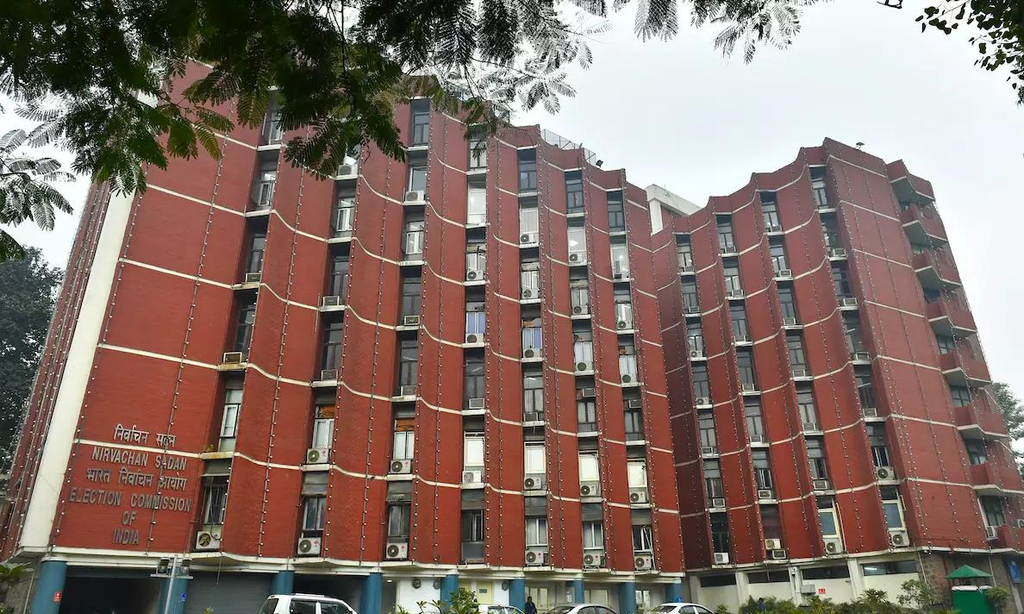
The latest Election Commission row has developed into a wider political and institutional dispute involving the SIR electoral-roll revision, internal objections within the poll panel and competing interpretations of how the Commission reached its decisions.
Rahul Gandhi and other opposition leaders are demanding action against CEC Gyanesh Kumar, while the Election Commission says internal differences are a normal part of deliberation and that its final decisions were unanimous.
For voters, the central issues are ultimately practical: how electoral rolls are maintained, how eligible voters can challenge decisions, and how transparency and accountability are maintained throughout the process.
As the political debate continues, further parliamentary, judicial or Election Commission proceedings could provide additional clarity.